5 hr
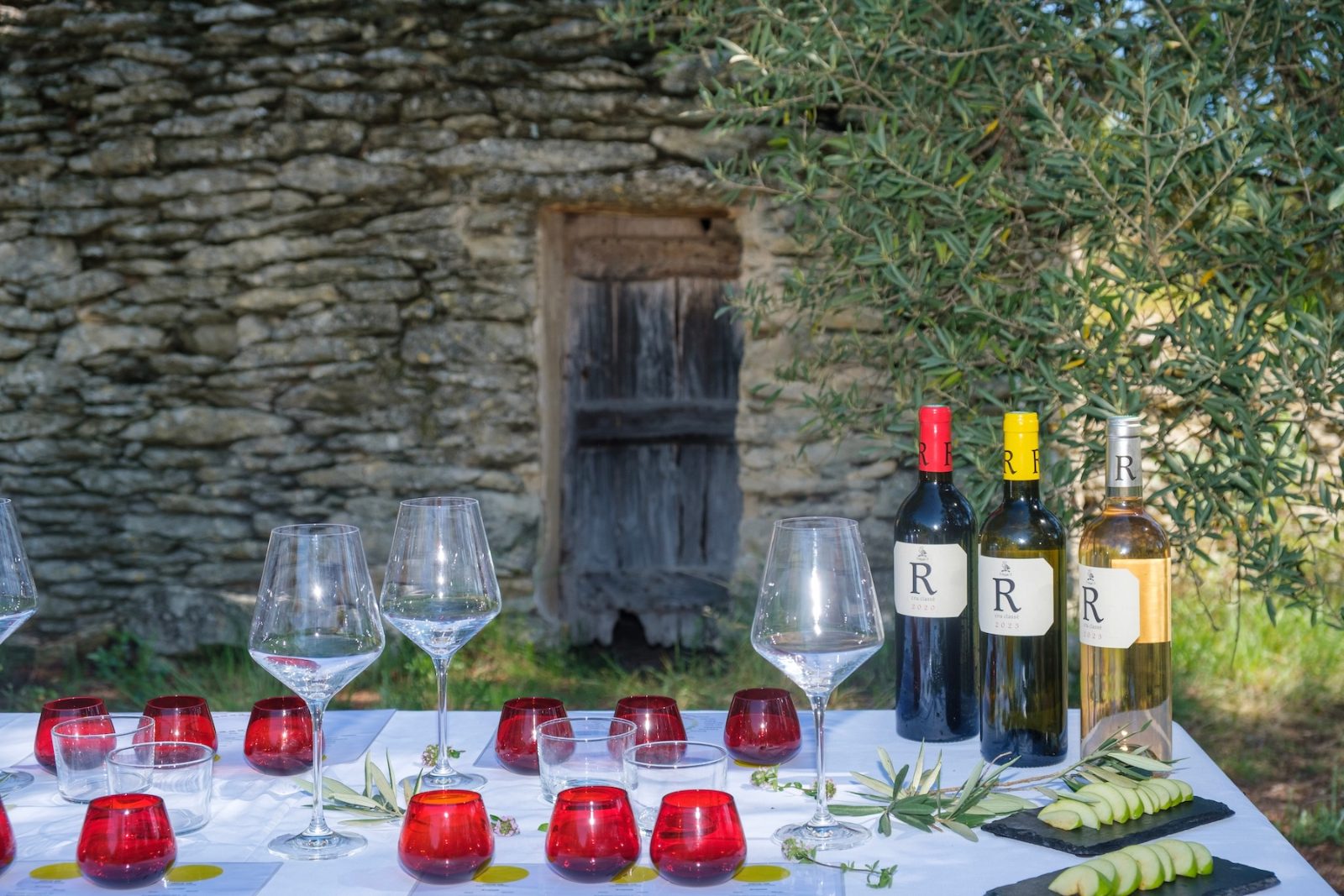
Half-Day Côtes du Rhône Wine Tour from Avignon
- Entry ticket
- Mobile voucher
- Valid same day
- Free cancellation
Provence Wine Tour — Vineyard Walks & Cellar Tastings
Côtes du Rhône terroir unveiled, one glass at a time
Compare fares, pick the fit — all bookings are mobile-voucher and eligible for free cancellation where shown.
5 hr
3 hr
8 hr
| Experience | From | Duration | Rating | Guide | Small group | Free cancel. | Price | |
|---|---|---|---|---|---|---|---|---|
|
Standard Entry
Most popular
Half-Day Côtes du Rhône Wine Tour from Avignon
|
Avignon | 5 hr | ★ 4.8 | ✓ | ✓ | ✓ | €85 | Book → |
|
Standard Entry
Côtes de Provence Wine Experience from Aix-en-Provence
|
Aix-en-Provence | 3 hr | ★ 4.8 | ✓ | ✓ | ✓ | €99 | Book → |
|
Guided Experience
Full-Day Provence Wine Discovery from Nice
|
Nice | 8 hr | ★ 4.9 | ✓ | ✓ | ✓ | €179 | Book → |
Hand-picked experiences loved by thousands of travelers
8 hours
Free Cancellation
Spend a day exploring family-run estates in Côtes de Provence with tastings of rosé, red, and white wines
1.5 hours
Free Cancellation
Explore a picturesque winery nestled between mountains and sea with expert-led tastings of local wines
1 hour
Free Cancellation
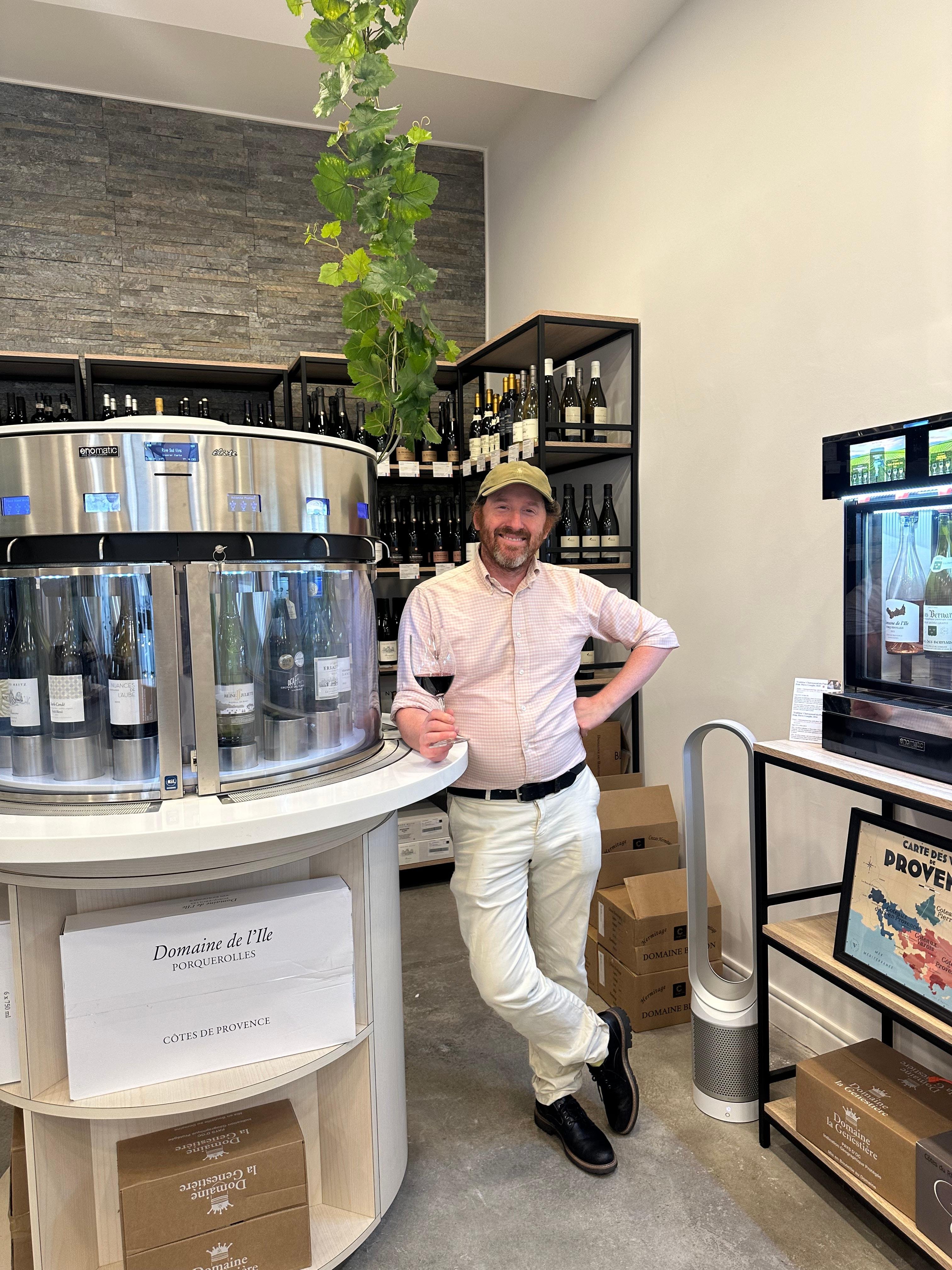
Sample 10 exceptional wines with local cheeses in an intimate shop setting, guided by a veteran importer
3.5 hours
Free Cancellation
Explore two family-run estates in Côtes de Provence, tasting renowned rosés, whites, and reds
10 hours
Free Cancellation
Discover Provence vineyards and enchanting hilltop villages on a guided full-day adventure
8 hours
Free Cancellation
Explore three celebrated estates, taste 15 wines, and master the art of Provençal rosé on this guided day trip.
7.5 hours
Free Cancellation
Journey through three distinctive vineyards, savor award-winning wines, and wander the elegant streets of Aix
8 hours
Free Cancellation
Discover Provence's finest vineyards on this exclusive full-day wine journey with private transport.
Check-in and parking orientation
Guided wine flight of local vintages
Observation of traditional fermentation methods
Purchasing local Provence wine tour bottles
You arrive at 1 route de Nyons as morning light slants across the Dentelles de Montmirail peaks, parking beneath plane trees that frame the cave's utilitarian façade.
The receptionist hands you a tasting sheet printed with parcel maps and vineyard coordinates, then leads you into the temperature-controlled cellar where concrete eggs and foudres rest on flagstone floors. Your guide uncorks a 2024 Côtes du Rhône Villages blanc, pouring 30 millilitres into an INAO glass while explaining the vineyard's southern exposure and the decision to halt malolactic fermentation at 60 percent completion.
You move through six wines in ascending complexity: a grenache-based rosé with notes of white peach and garrigue, a young Syrah exhibiting violet and cracked pepper, a reserve blend aged 14 months in second-use Burgundy barrels. Between pours, you step onto the loading dock where tractors deliver destemmed fruit during harvest, the winemaker gesturing toward terraced parcels visible on the northern slope. The tasting concludes with a 2019 Vieilles Vignes Grenache from 70-year-old vines, its concentration and tannin structure reflecting limestone subsoil and a yield of 28 hectolitres per hectare. You purchase two bottles from the cave boutique, choosing labels unavailable beyond the Vaucluse département, and exit into the midday heat with residual tannins drying your palate.
All the details about your upcoming adventure in one place
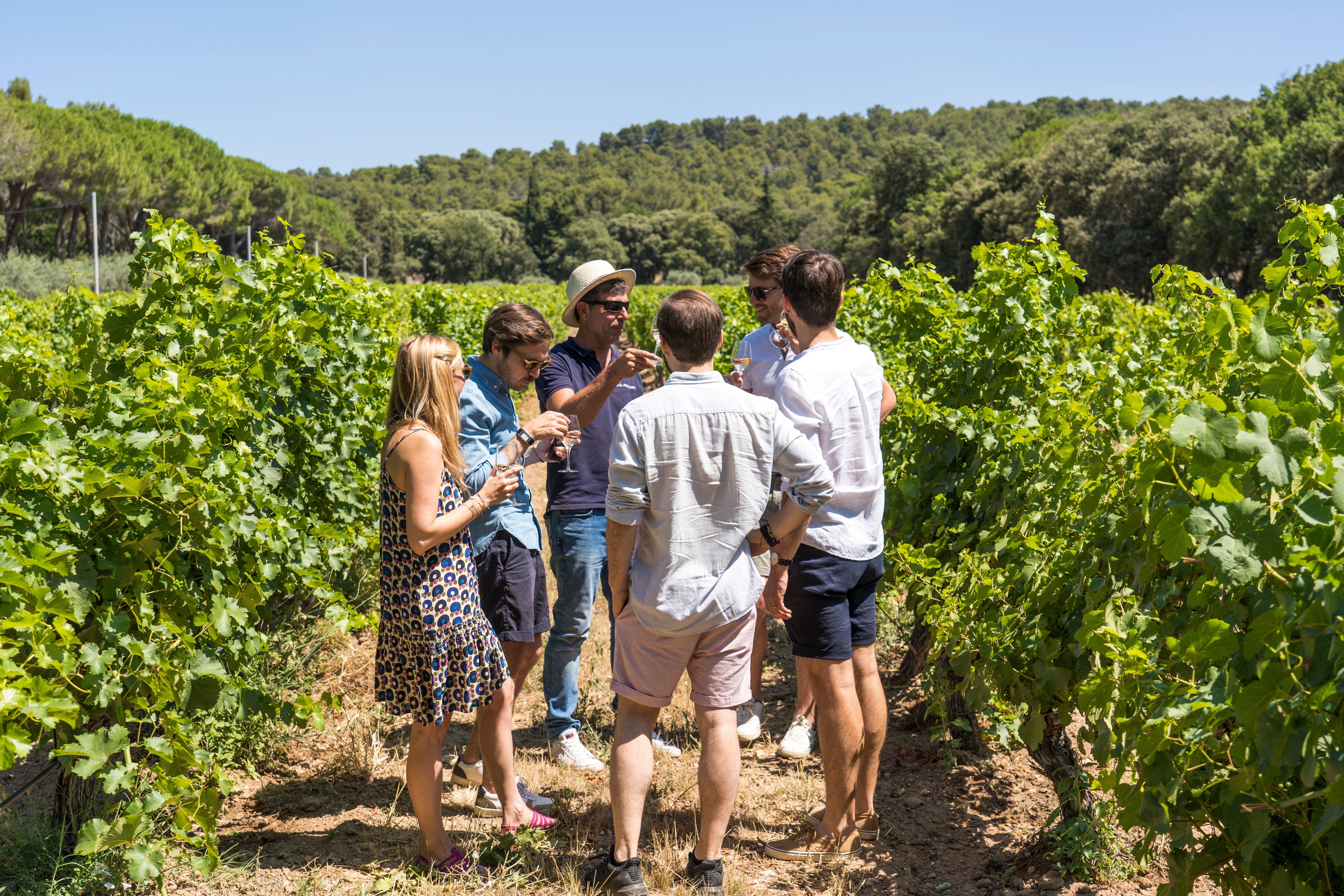
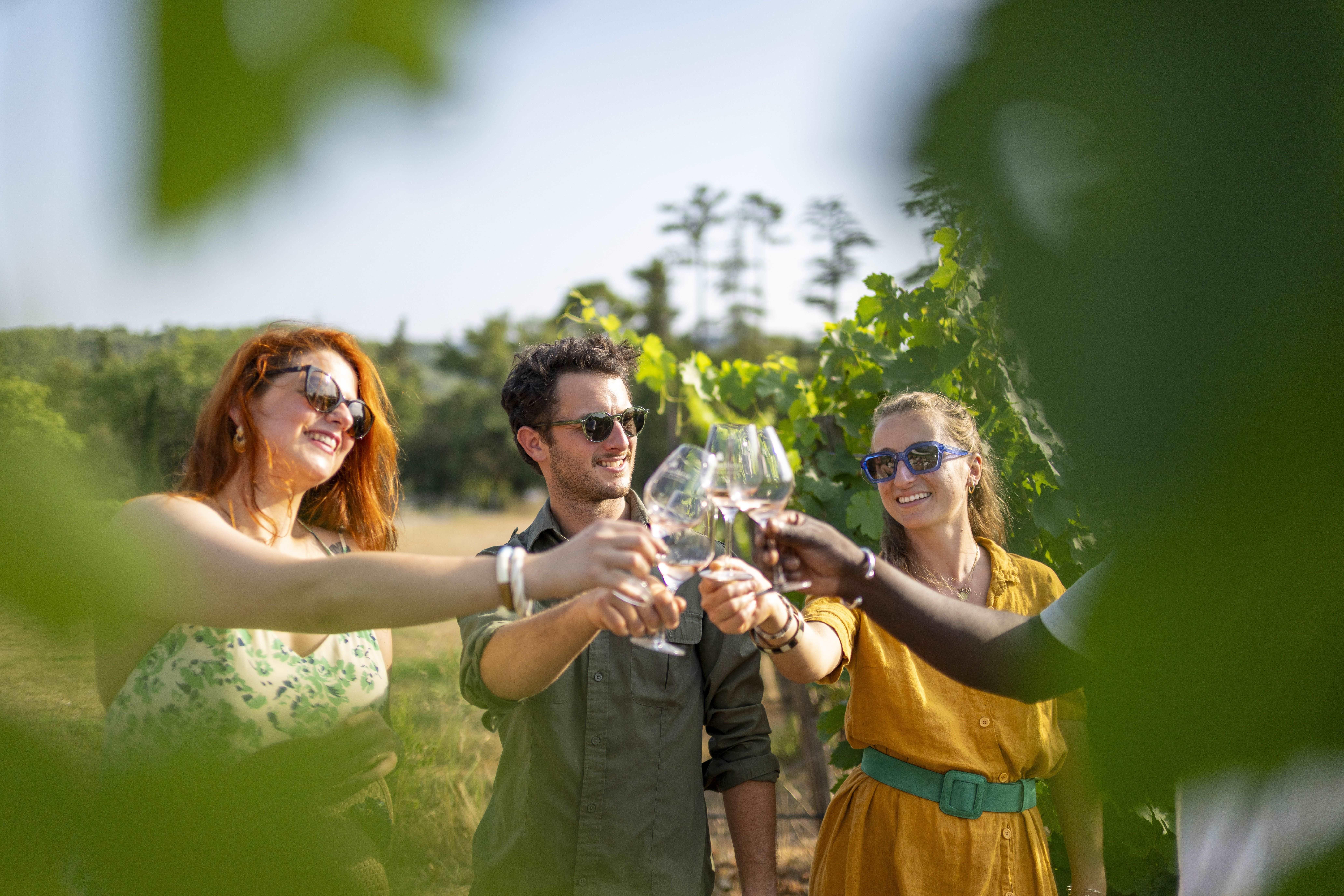
This provence wine tour takes you through celebrated appellations including Châteauneuf-du-Pape and Côtes du Rhône, where family-run estates open their cellars for guided tastings of rosé, red, and white varietals. Winemakers share terroir insights and vinification techniques at each domaine, while scenic vineyard drives reveal the lavender fields and olive groves that define the region. Most provence wine tour tours include three to four estate visits with sommelier-led sessions.
Cave la Comtadine occupies a commanding position at the confluence of three Côtes du Rhône Villages appellations — Puyméras, Vaison-la-Romaine, and Roaix — where calcareous clay soils and mistral winds shape Grenache and Syrah into wines of structural clarity.
Established in 1929 as a cooperative cellar, the cave has consolidated holdings from 120 independent vignerons across 800 hectares, making it one of the largest producer cooperatives in the southern Rhône Valley. The winemaking facility, renovated in 2014 with temperature-controlled stainless steel tanks and concrete vats, processes nearly four million kilograms of grapes each harvest, producing labels that range from accessible Côtes du Rhône to single-estate cuvées aged in French oak.
Provence wine tours through this appellation zone reveal a viticultural tradition anchored in altitude and exposure. Vineyards here climb from 200 to 450 metres above sea level, benefiting from diurnal temperature swings that preserve acidity while concentrating phenolic compounds. The cave's tasting room, positioned within the original 1920s stone cellars, offers direct access to bottlings rarely distributed beyond regional markets — blanc de blanc Viognier fermented on indigenous yeasts, rosé de saignée pressed within two hours of harvest, and reserve Grenache aged 18 months in demi-muids. Guided tastings decode the region's terroir vocabulary: garrigue aromatics from wild thyme and lavender, the chalky minerality imparted by Jurassic limestone, the peppery finish characteristic of whole-cluster Syrah fermentation.
The provence wine tour from Avignon takes 35 minutes via D938, threading through ochre villages and almond orchards that define the Vaucluse plateau. Cave la Comtadine operates a working cellar, not a tourism estate, so visits retain an industrial authenticity — barrel rooms smell of pressed must, bottling lines hum during harvest weeks, and the tasting counter sits adjacent to the production floor where winemakers discuss malolactic conversion and bâtonnage schedules. This proximity to the winemaking process distinguishes the experience from polished château tours: you taste directly from tank samples, compare multiple vintage expressions of the same parcel, and leave with an understanding of how cooperative viticulture sustains small family holdings that lack the capital for independent production facilities. The cave's archive cellar holds verticals dating to 1947, offering comparative tastings that map climate shifts and evolving pruning philosophies across eight decades of Rhône winemaking.
You taste directly from tank samples, compare multiple vintage expressions of the same parcel, and leave with an understanding of how cooperative viticulture sustains small family holdings.
Casual and comfortable clothing is recommended for a provence wine tour. Sturdy, closed-toe footwear is advised for walking through vineyard rows and cellar floors.
Small personal bags are permitted during your provence wine tour. Large luggage items cannot be stored on-site at this location.
Casual photography is permitted during your provence wine tour for personal use. Please do not obstruct pathways or production equipment while capturing images.
Families are welcome, though the environment is primarily focused on viticulture. Children must be supervised at all times around vineyard equipment and tasting areas.
Portions of the cellar and tasting area are accessible for visitors with limited mobility. Please contact the staff via the provided phone number to arrange specific assistance.
External food and beverages are not permitted inside the facility. Visitors may enjoy local culinary pairings during designated tastings on their provence wine tour.
Opening hours
08:00–12:00, 14:00–18:00
Address
1 route de Nyons, 84110 Puyméras, France
Entry fee
0 EUR
Arrival
08:00–11:30
Storage
Not available
Navigation
Use GPS for 1 route de Nyons
Car · Varies · Free parking on-site
Follow signs to Puyméras via D938 for easiest access.
Taxi · 20 min · Moderate
Pre-booked services from Vaison-la-Romaine are recommended.
As there is 0 EUR entrance fee, no cancellation fees apply. Visitors may reschedule their Provence Vineyards experience at any time.
Recommended time
1-2 hours
A well-planned provence wine tour typically requires one to two hours to fully appreciate the cellar atmosphere and local viticulture. Because this site operates with split-shift hours, visitors should monitor their timing to avoid congestion during the late-morning peak. We recommend securing your provence wine tour tickets early in the day, as afternoons can see tighter foot traffic within the vineyard facility. Exploring the barrel rooms and tasting flights usually fits within this window, though serious enthusiasts might dedicate more time to discuss terroir with staff.
Crowd levels through the day
Weather · crowds · average price — dots go green to amber to red as each metric rises.
Mild temperatures and blossoming vines offer a serene environment for a provence wine tour.
Expect warm days and active vineyard maintenance cycles throughout the region.
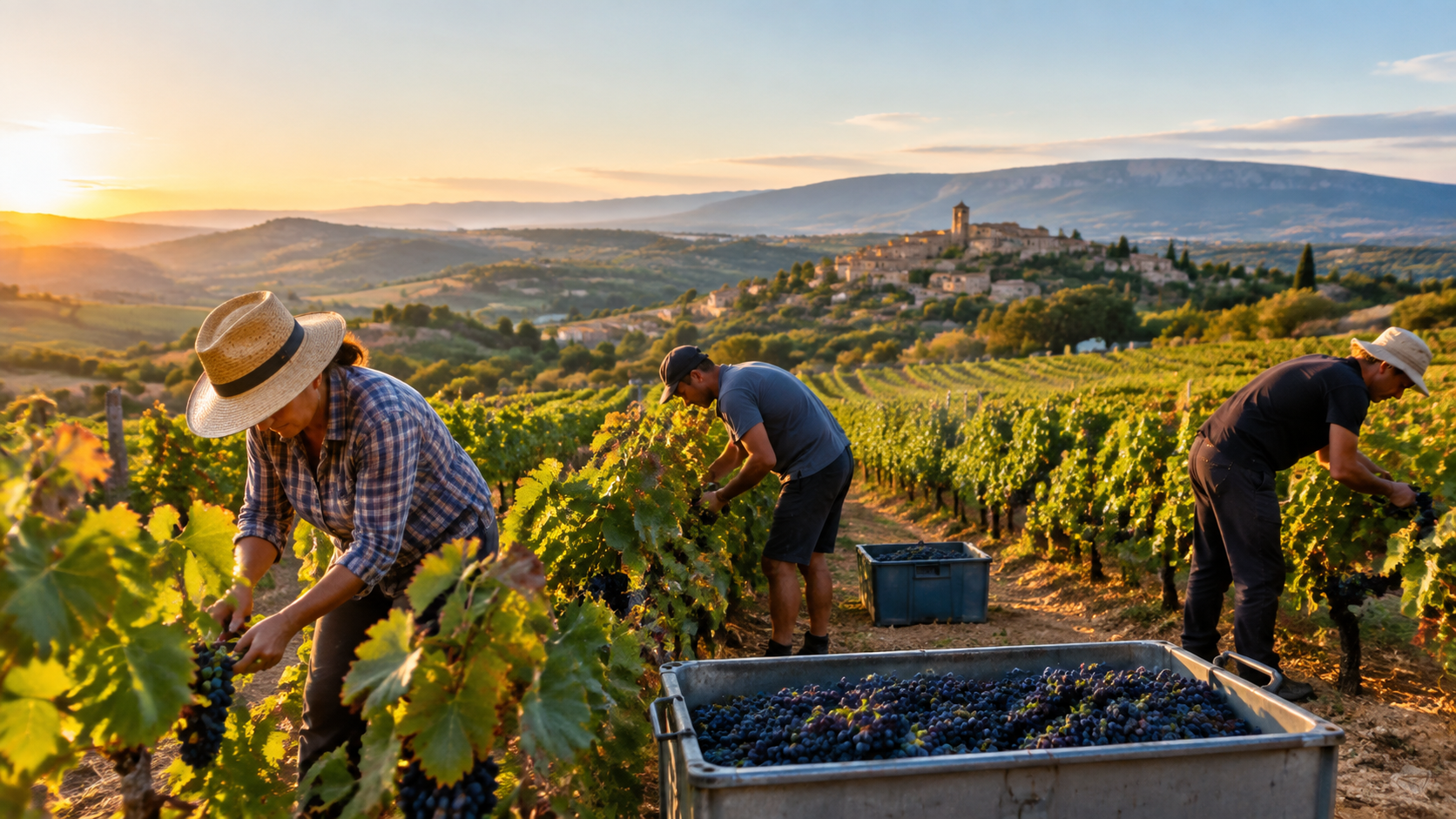
Harvest season provides a unique, high-energy atmosphere for those booking provence wine tour tickets.
Quieter periods allow for an intimate provence wine tour experience with personalized attention.
Arrive between 08:00–11:30 to avoid mid-day heat and ensure parking availability.
Verify harvest dates if your provence wine tour involves active picking observations.
Wear flat shoes to navigate gravel paths and uneven terrain safely.
Learning basic French greetings enhances interaction during your provence wine tour.
Carry water, especially when visiting during the warm summer months.
1 route de Nyons, 84110 Puyméras, France
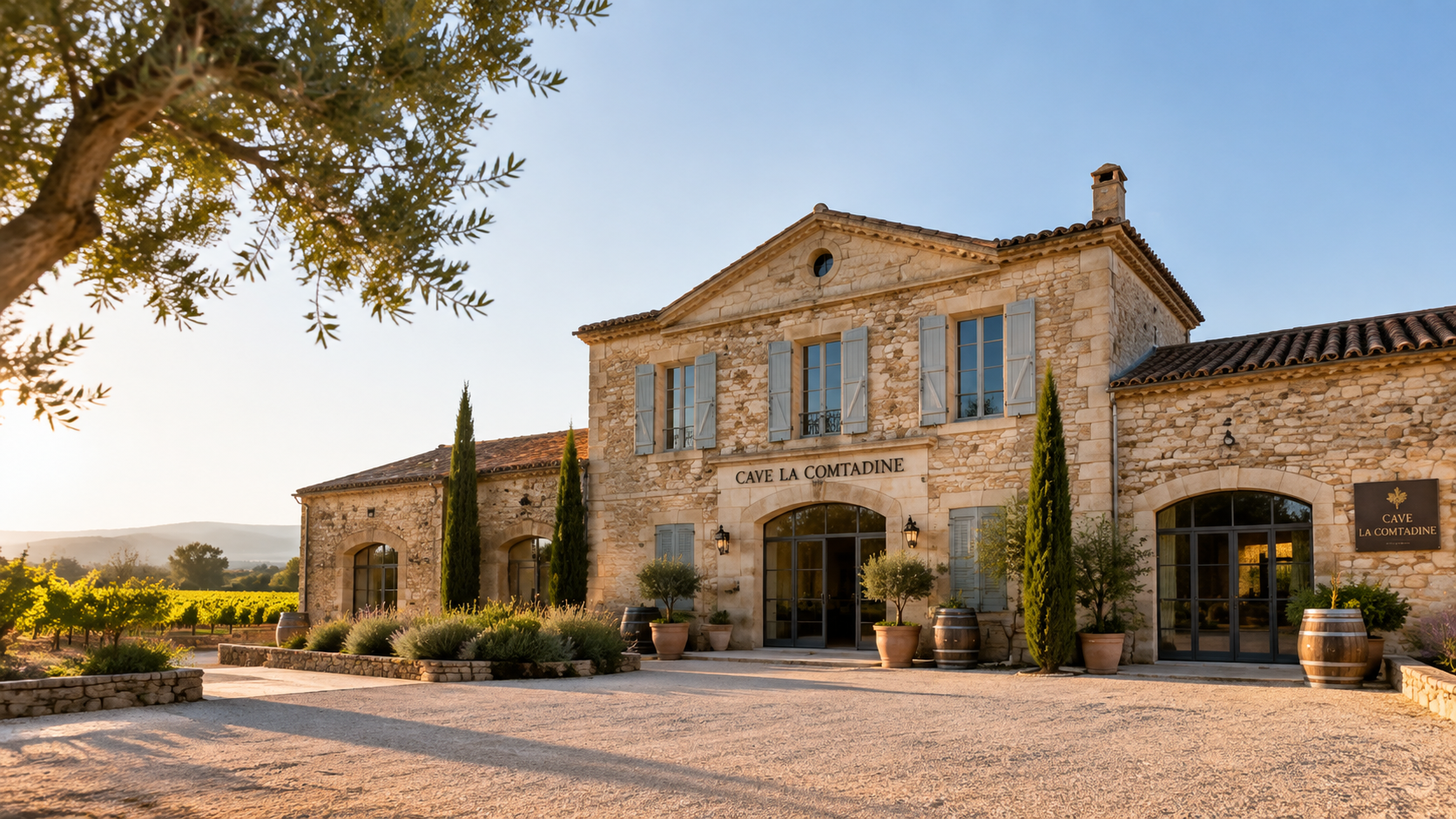
Signage identifies the visitor center
Get directionsCave la Comtadine emerged in 1929 when forty-seven vignerons from Puyméras and surrounding villages united to pool their harvest and negotiate collectively with négociants. The cooperative cellar occupied a modest stone structure on the route de Nyons, equipped with concrete fermentation vats that replaced the traditional wooden barrels most members had used for generations. This consolidation mirrored a broader movement across the Côtes du Rhône appellation, where small producers sought economic shelter during the Depression years. The founding charter restricted membership to growers cultivating Grenache, Syrah, and Mourvèdre on the clay-limestone slopes that characterize the southern Vaucluse terroir. The cooperative expanded in 1955 with temperature-controlled stainless steel tanks, a technological leap that allowed winemakers to preserve the bright fruit character of Grenache rosé. By the 1970s, Cave la Comtadine bottled its own wines under estate labels rather than selling in bulk, a strategic shift that required investment in bottling lines and regional marketing. The 1980s brought appellation recognition when the Côtes du Rhône Villages designation elevated Puyméras wines above generic regional classifications. This formal acknowledgment validated decades of meticulous vineyard management and selective harvesting practices. Renovations in 2003 introduced gravity-flow systems that reduced oxidation during pressing, while a climate-controlled aging cellar allowed extended barrel maturation for reserve cuvées. Today the cooperative represents sixty member families farming three hundred hectares across seven communes. Visitors on a provence wine tour witness fermentation tanks through observation windows and taste library vintages in the original 1929 cellar, where limestone walls maintain constant humidity. The tasting room opened in 2011, transforming what had been a purely production facility into a destination for those exploring provence wine tour experiences across the northern Vaucluse. Guided provence wine tour tours depart weekday mornings, offering access to barrel cellars and blending demonstrations that illuminate cooperative winemaking traditions spanning nearly a century.
Forty-seven vignerons founded Cave la Comtadine to collectively vinify and market their Côtes du Rhône harvest.
Installation of temperature-controlled stainless steel tanks modernized fermentation processes for red and rosé wines.
Cooperative began estate-bottling wines under proprietary labels instead of selling bulk production to négociants.
Côtes du Rhône Villages appellation formally recognized Puyméras terroir, elevating the cooperative's market positioning.
Gravity-flow winery renovation and climate-controlled barrel cellar expanded aging capacity for premium cuvées.
Public tasting room opened in the original 1929 cellar, welcoming visitors to experience cooperative winemaking heritage.
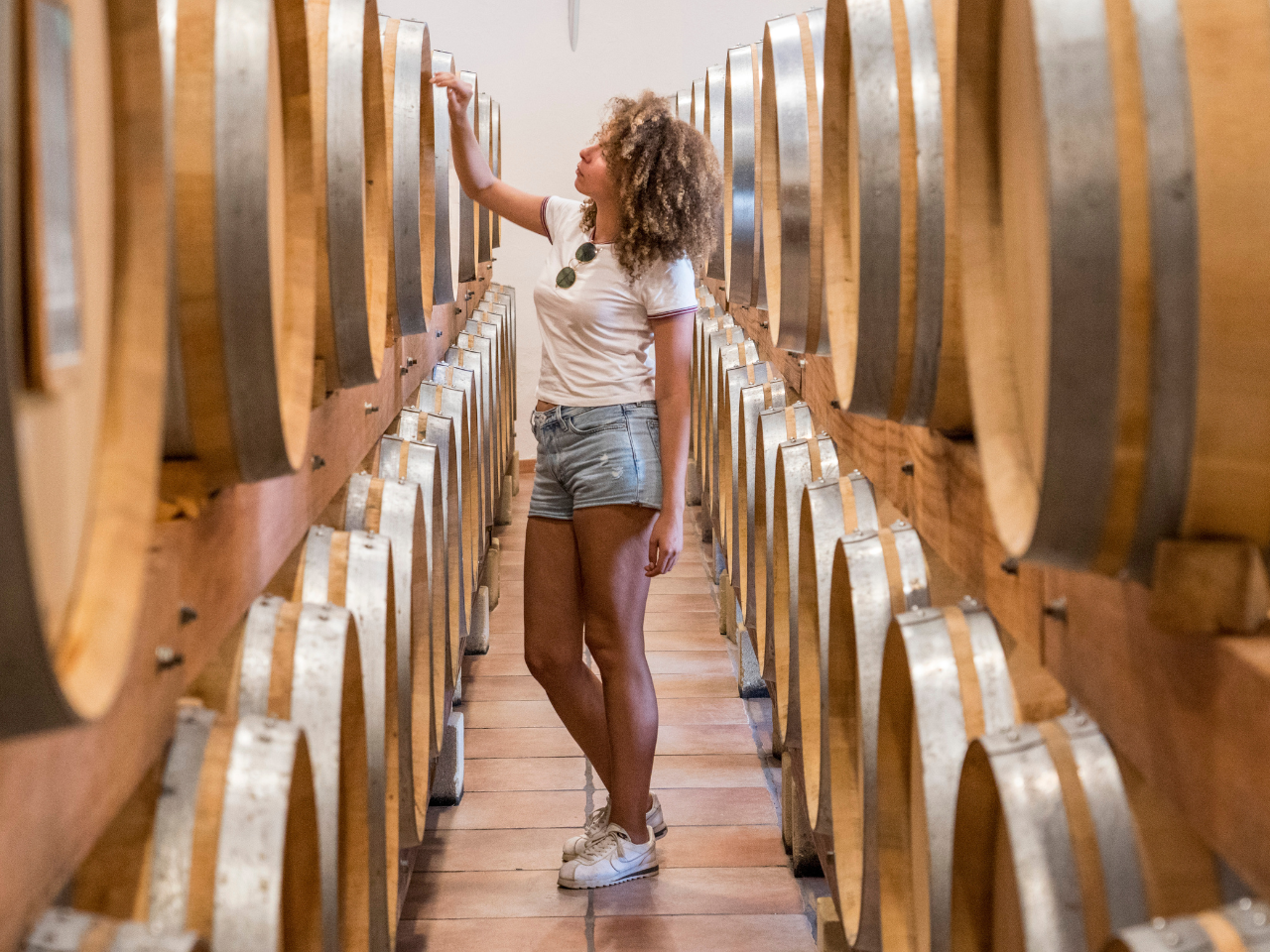
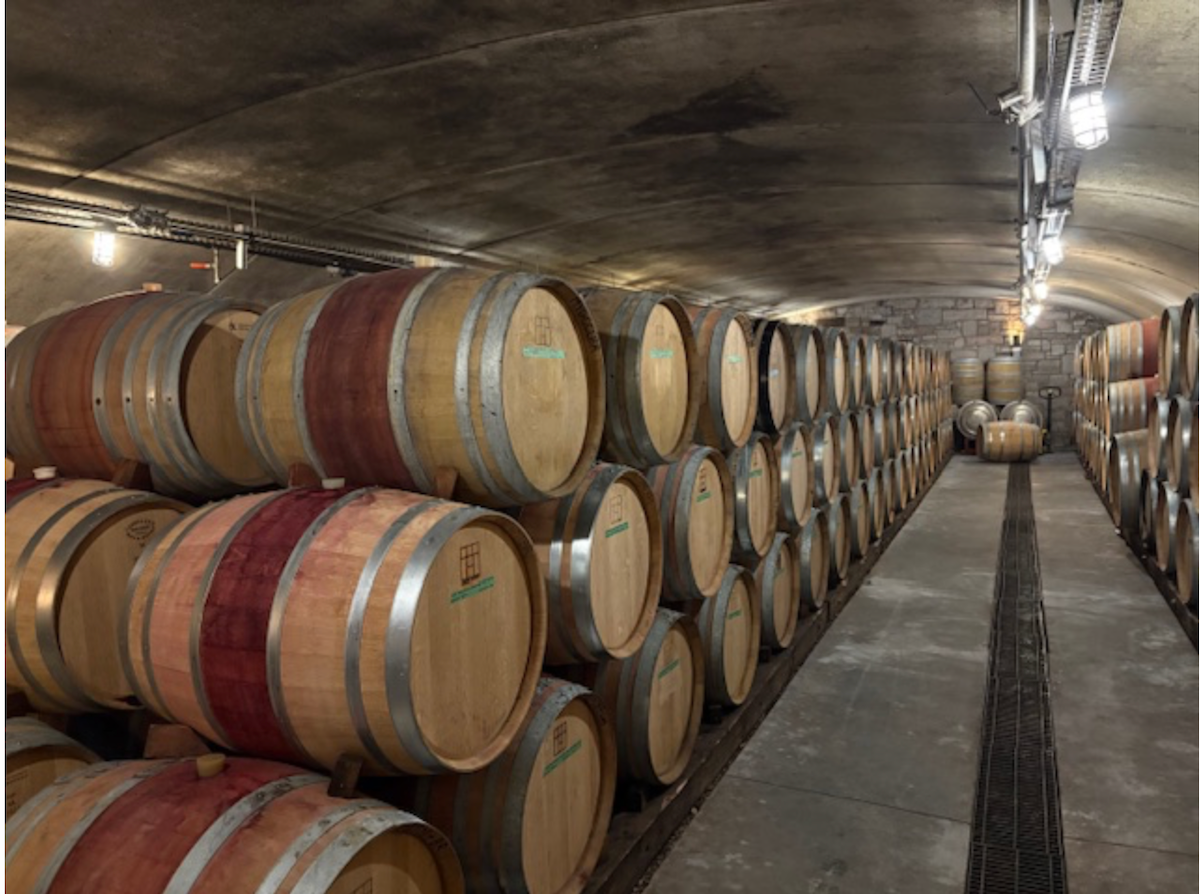
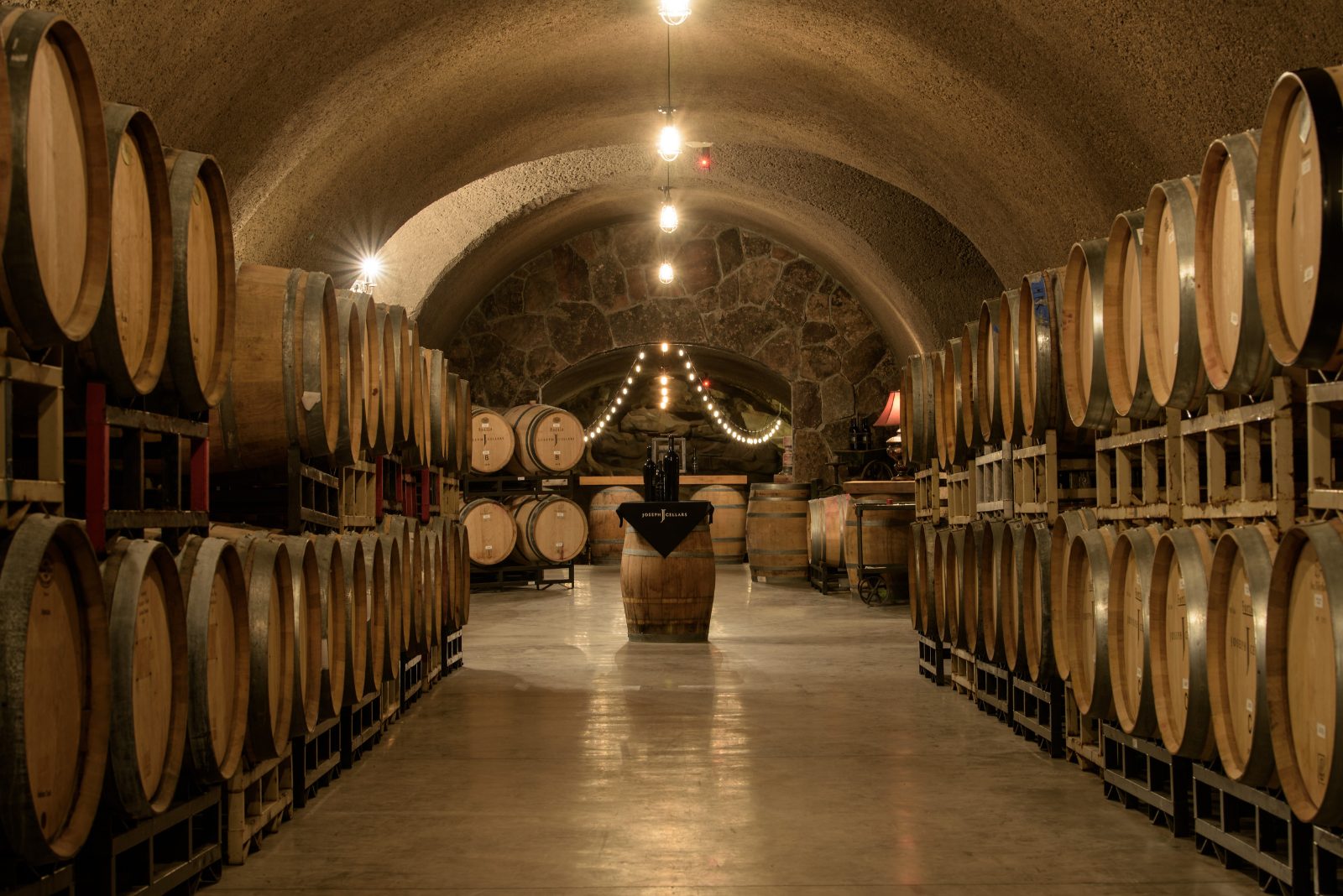
Position your camera at the entrance of the main aisle to capture the symmetry of oak casks. This shot emphasizes the texture of wood against the cool, dim ambient lighting of the facility during a provence wine tour.
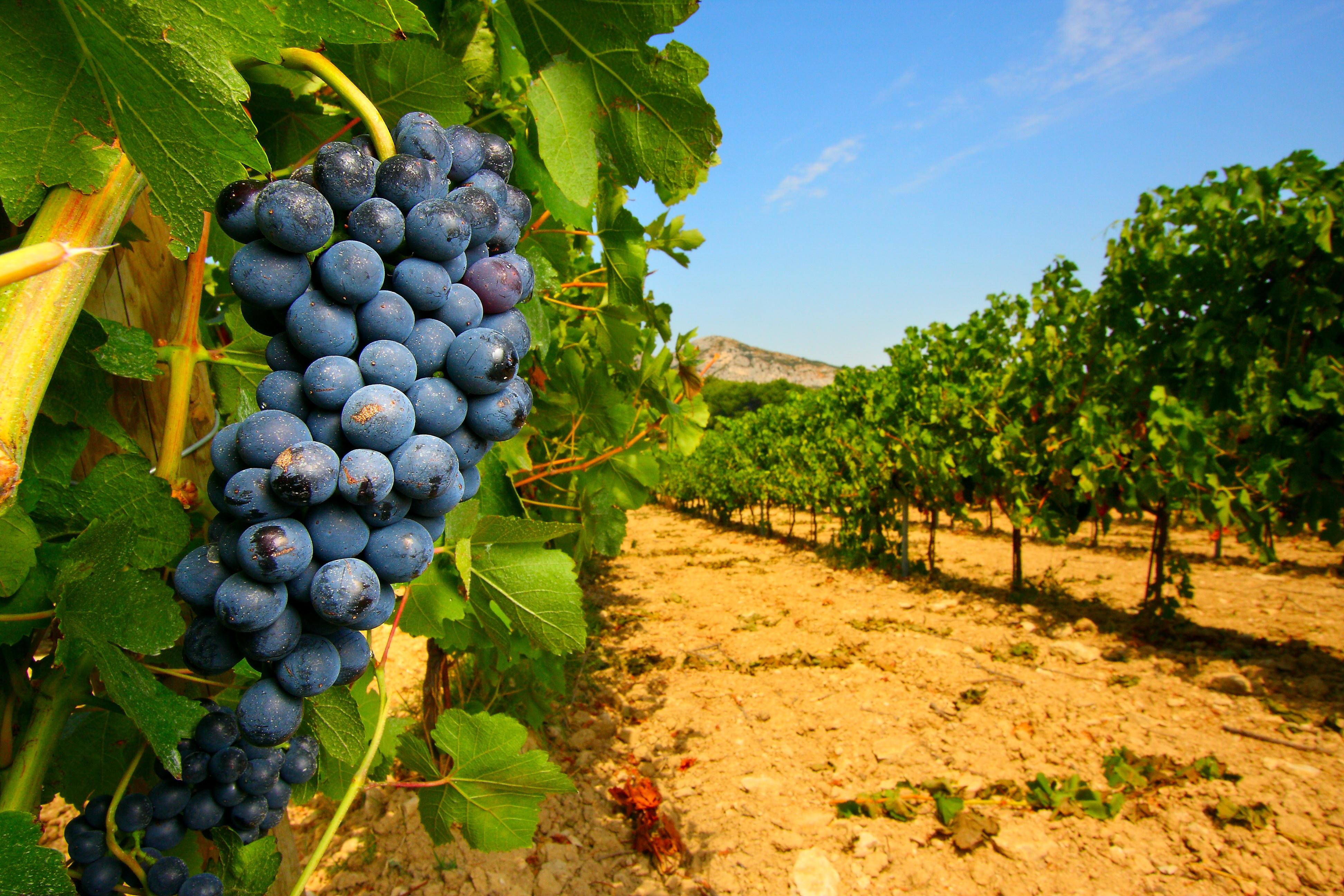
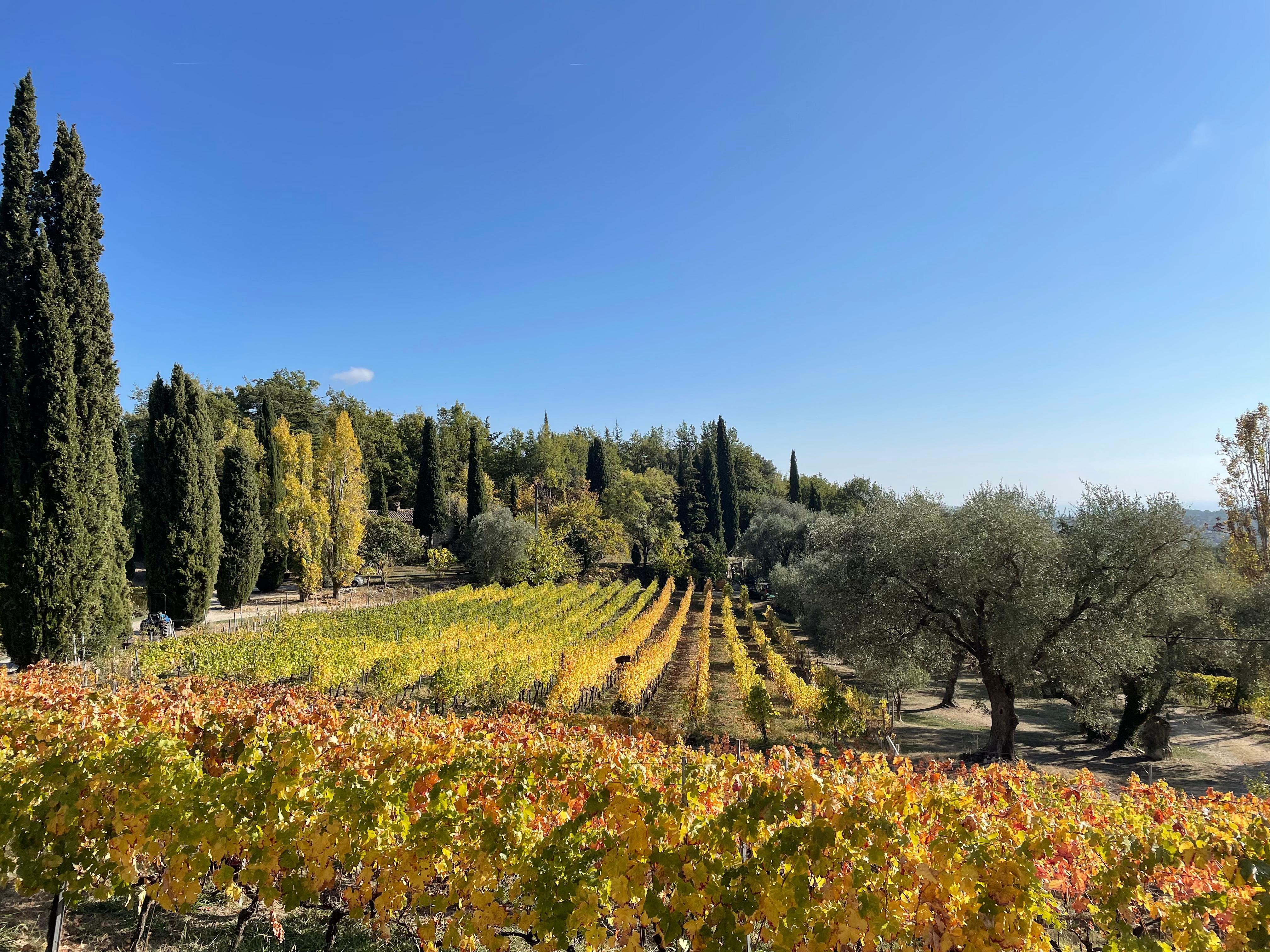
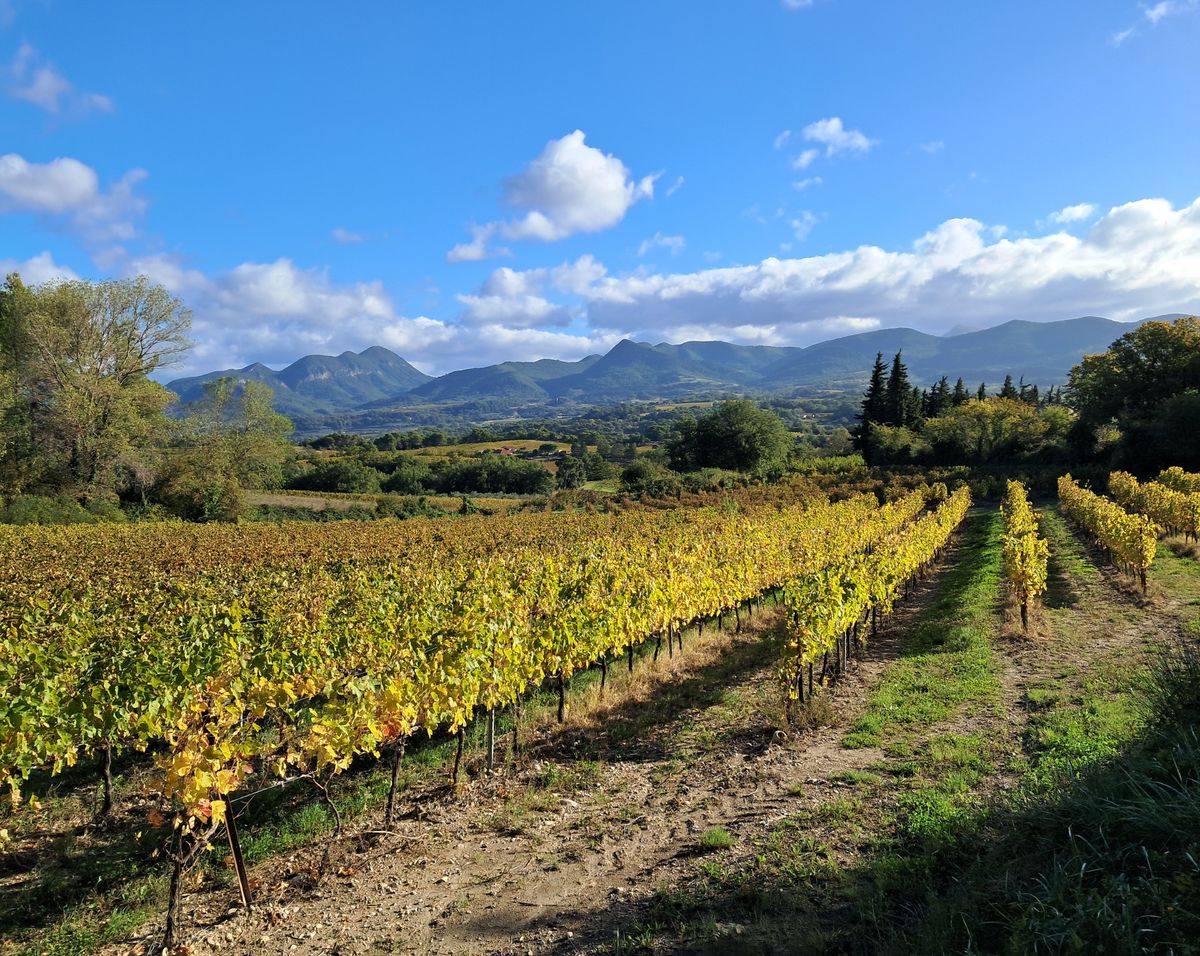
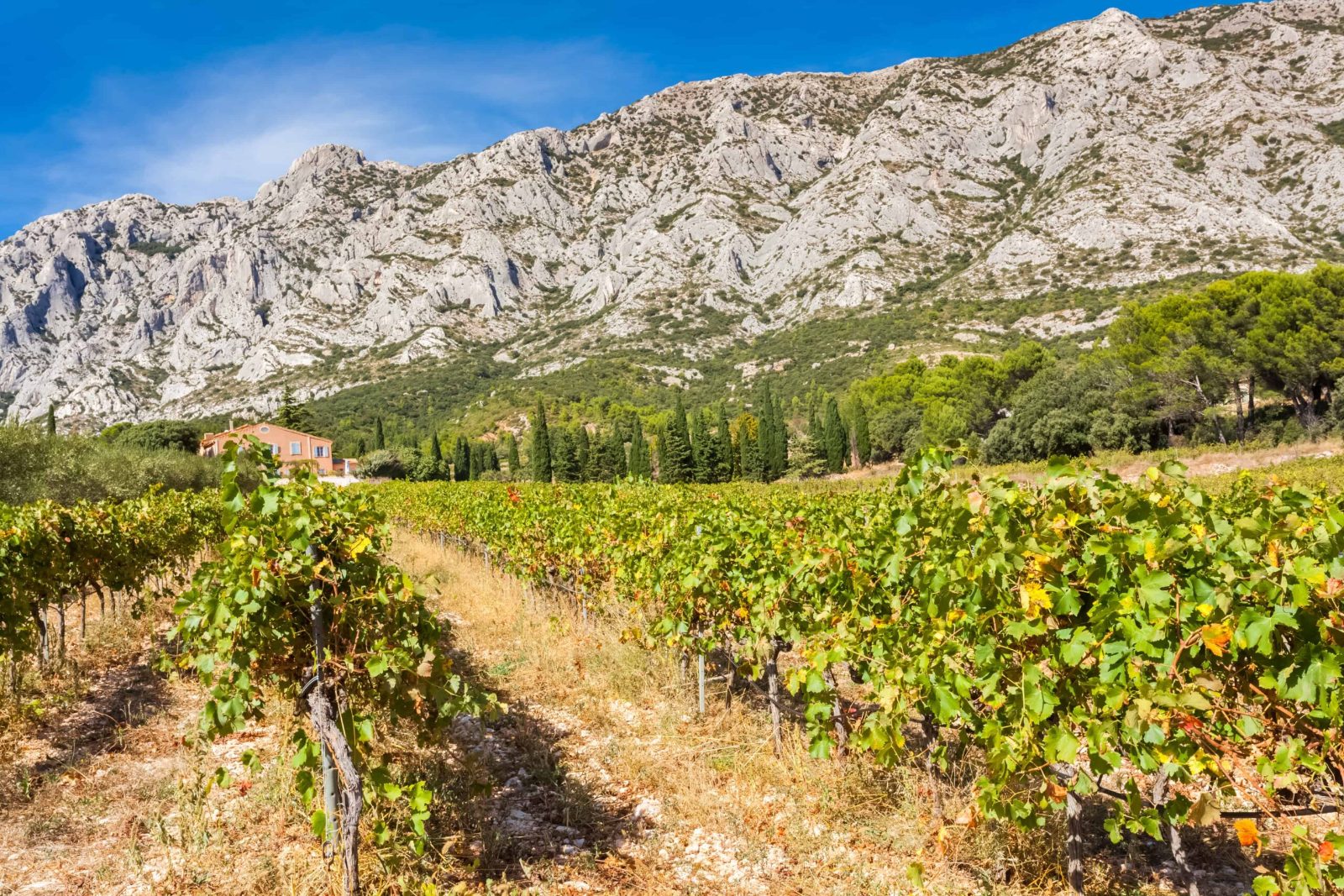
Stand at the edge of the vine rows facing north toward the rolling hills. This angle frames the greenery of the estate, serving as a primary stop for those on a provence wine tour tour.
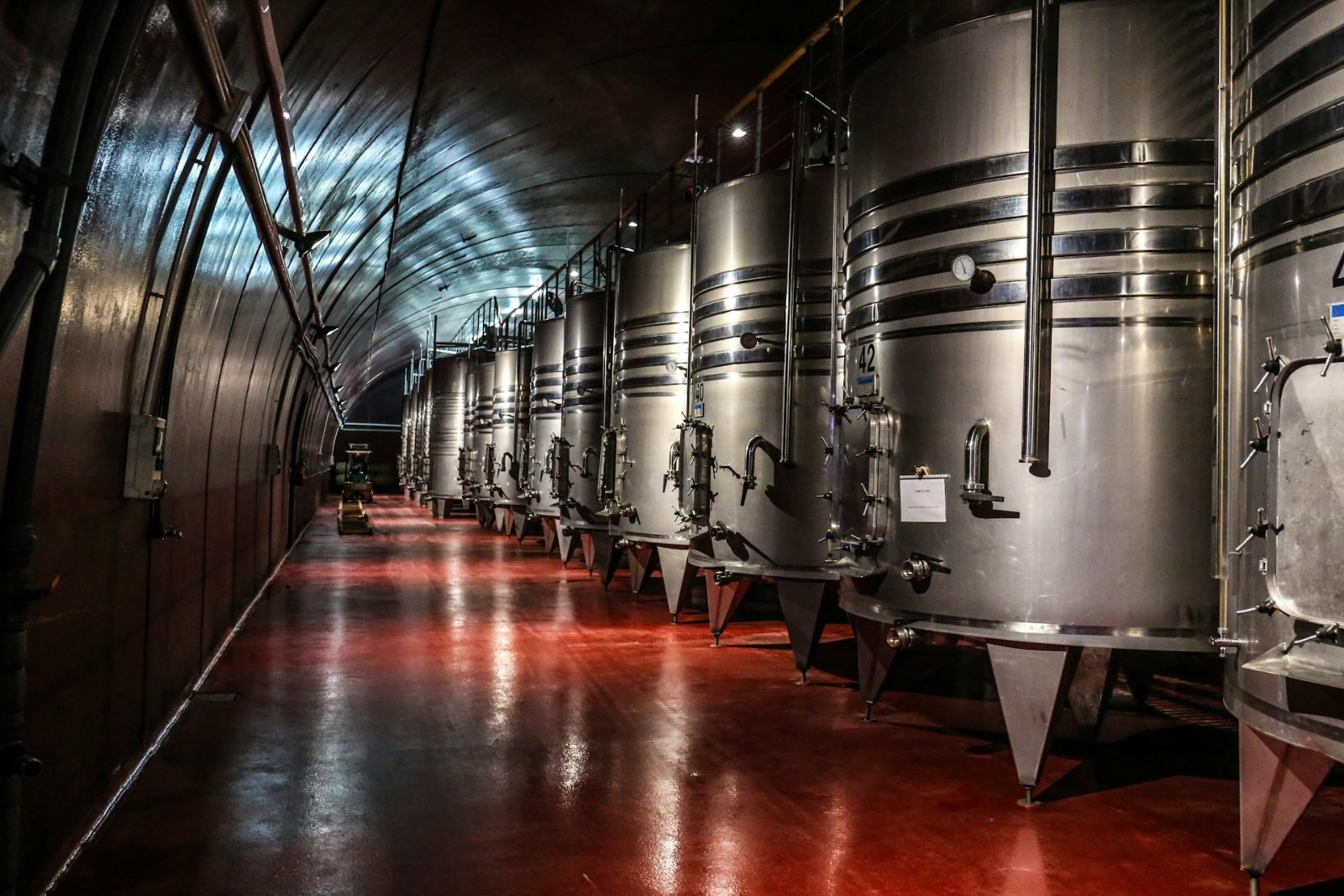
Capture the contrast between modern industrial fermentation tanks and the heritage of the region. This spot highlights the technical side of viticulture, often featured in provence wine tour tours.
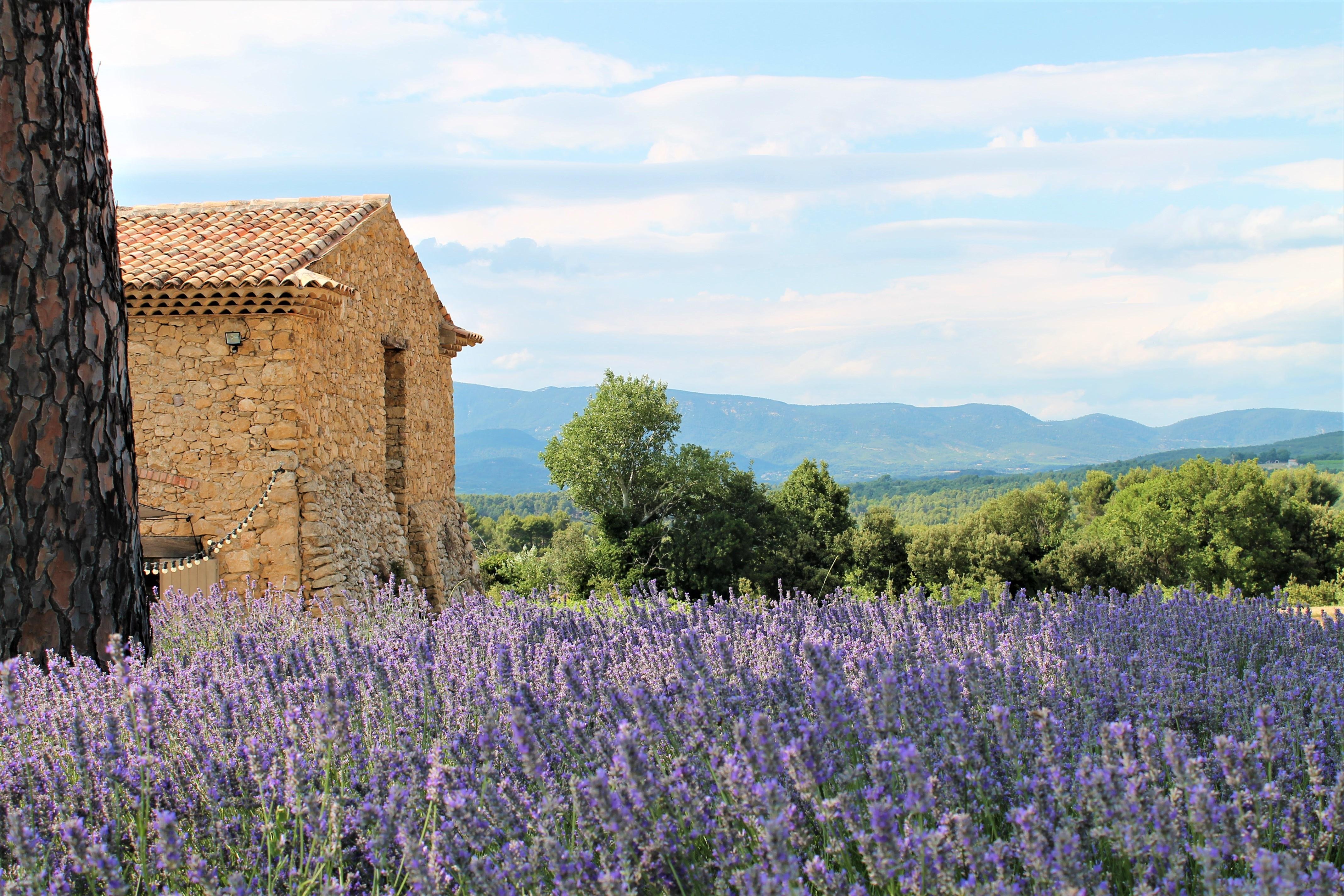
Frame the main stone building against the clear morning sky for a classic architectural shot. It is a essential composition for anyone collecting provence wine tour tickets to document their visit.
Visitors planning a provence wine tour often find that local dining options in Puyméras emphasize seasonal terroir and traditional craftsmanship. While the vineyard itself does not serve meals, several authentic bistros are located within a short walk for those completing their provence wine tour tours.
This charming spot features outdoor seating perfect for a lunch pairing with local bottles. Guests often order the artisanal cheese plate and fresh salads after securing their provence wine tour tour arrangements.
Real experiences from real travelers
Our guide took us through three family estates in the Luberon. Each winemaker explained their organic methods while we walked the rows. The rosé tasting at the final stop paired beautifully with local olive tapenade. Book the afternoon departure for softer light across the vines.
This provence wine tour exceeded expectations. We visited Châteauneuf-du-Pape appellations and learned about the galets roulés stones that retain heat for the vines. The sommelier's explanations made the terroir differences clear. Small group size allowed genuine conversation with each vigneron.
Started at a biodynamic estate near Gordes where the winemaker still hand-harvests Syrah. The cellar tour revealed 18th-century limestone caves used for aging. Our guide Marc knew every appellation boundary and soil type. Lunch stop included chèvre from the farm next door.
The Côtes de Provence landscapes were gorgeous in late spring. We covered four wineries in six hours which felt slightly hurried. Each tasting included 5-6 wines with detailed notes. Transportation was comfortable. Would have preferred more time at the second estate with the hilltop views.
Our provence wine tour tickets included transport from Aix which made logistics simple. The guide adjusted the route when we expressed interest in orange wines. We ended up at an experimental vineyard using amphora fermentation. Learned more in one day than reading guidebooks for months.
Visited estates ranging from historic châteaux to modern sustainable operations. The contrast showed Provence's range beyond just rosé. Tasted excellent Mourvèdre and Grenache reds. Guide provided context about climate challenges and adaptation strategies vintners are implementing.
Touring in early July meant seeing véraison when grapes change color. Winemakers discussed upcoming harvest timing and weather concerns. The hands-on approach let us examine grape clusters and feel the limestone soil. Picnic lunch among lavender fields between the second and third stops.
Only six people on our provence wine tour which allowed flexible pacing. We spent extra time at a Bandol estate specializing in aged reds. The guide's connections meant private barrel tastings at two locations. Returned with a case shipped directly from the winery.
The tour balanced technical information with accessible explanations. Learned about southern Rhône blending traditions and how Provence rosé production differs from other regions. Each winery offered distinct styles. The fourth stop included a vineyard walk during golden hour with views toward Mont Ventoux.
September timing meant active harvest at two estates. We watched sorting tables in action and tasted juice from that morning's pressing. The energy during vendange season added excitement. Guide explained how vintage 2026 conditions are shaping up compared to recent years.
Everything you need to know for your journey
The facility is open Monday through Friday from 08:00–12:00 and 14:00–18:00; it is closed on weekends.
Entry to Provence Vineyards is 0 EUR for all visitors.
We recommend arriving between 08:00–11:30 to avoid mid-day heat and secure parking.
Families are welcome on a provence wine tour, though children must remain supervised near equipment.
Casual photography for personal use is permitted during your provence wine tour.
Pets are not allowed on-site, with the exception of registered service animals.
Large suitcases and professional gear are restricted at the site.
The tasting areas of the provence wine tour facility are accessible to visitors with limited mobility.
On-site parking is available for visitors arriving at the provence wine tour location.
Extensive archaeological site featuring ancient amphitheaters and historic streets.
A well-preserved Roman bridge spanning the Ouvèze river.
Historical agricultural landscapes known for high-quality olive oil production.
Traditional stone village offering scenic views of the surrounding valley.
Central base for those taking a provence wine tour.
Charming local stays with proximity to lavender and olive fields.
Local guest houses perfect for vineyard proximity.
Join thousands of happy travelers who have discovered this incredible experience
Book Your Experience Now