8 hr
Provence Wine Discovery: Full-Day Tour from Nice
- Expert local guide
- Small group
- Skip-the-line access
- Free cancellation
Provence Wine Tasting Tour — Vineyard Visits Across Five Appellations
Cellars carved from limestone, rosé pressed at dawn
Compare fares, pick the fit — all bookings are mobile-voucher and eligible for free cancellation where shown.
8 hr
4 hr
5 hr
Selecting the right provence wine tasting tour allows you to experience the region's historic terroir and celebrated rosé production at your own pace. Whether you prefer the structure of a guided estate excursion or the autonomy of a self-guided visit, these options provide distinct ways to explore the local vineyards.
| Self-Guided Visit Flexible Exploration |
Top pick Guided Estate Tour Curated Experience |
|
|---|---|---|
| Access method | Flexible arrival | Scheduled departure |
| Vineyard access | Cellar and grounds | Guided cellar and vines |
| Tasting fee | 0 EUR or small fee | Included in tour price |
| Group size | Individual | Small group |
| Best for | Independent travelers | First-time visitors |
| See tickets & prices |
Verdict: Choose the self-guided option for maximum flexibility, or select a guided provence wine tasting tour for deeper sommelier insights and seamless transportation.
Worth it for wine lovers seeking terroir
A provence wine tasting tour delivers solid value if you want expert-led access to appellations you can't easily reach independently. Free tastings exist at individual wineries, but guided options—ranging from half-day Côtes du Rhône excursions to full-day Côtes de Provence circuits—provide transportation, curated cellar visits, and context on rosé production techniques and AOC distinctions. You'll visit 3–4 estates, sample 8–12 wines, and learn about grape varieties like Grenache, Mourvèdre, and Cinsault from sommeliers who know the vignerons personally. The investment pays off for travelers short on time or unfamiliar with rural wine routes, especially if you book tours departing from Aix-en-Provence, Nice, or Avignon that bundle transport and tastings. Skip it if you're comfortable renting a car and navigating Route des Vins yourself, or if you prefer urban wine bars over vineyard visits. Provence wine tasting tour tickets work best mid-week in spring or autumn when harvest activity adds interest and crowds thin.
Bottom line: Book a Provence wine tour if you value curated access and sommelier insight over the flexibility of self-guided visits.
They complement each other; most visitors who do both call the guided provence wine tasting tour the more social, stress-free option. Opting for a local wine excursion allows travelers to enjoy the terroir without the burdens of logistics.
|
Top pick Guided Tours |
Independent Visits | |
|---|---|---|
| Navigation effort | Chauffeur driven | Requires GPS and driving |
| Access to private estates | Exclusive cellar entry | Public areas only |
| Alcohol safety | Zero driving responsibility | Designated driver required |
| Cost transparency | All-inclusive flat fee | Variable fuel and tasting fees |
| Social atmosphere | Group engagement | Private/solo experience |
| Planning complexity | No research needed | High research requirement |
| See tickets & prices |
Verdict: Choose a provence wine tasting tour tickets package for seamless transportation, or select independent visits to dictate your own pace among the grapevines and limestone hills.
Hand-picked experiences loved by thousands of travelers
8 hours
Free Cancellation
Journey through renowned Provençal vineyards with an expert guide, tasting exceptional rosés, reds, and whites
3 hours
Free Cancellation
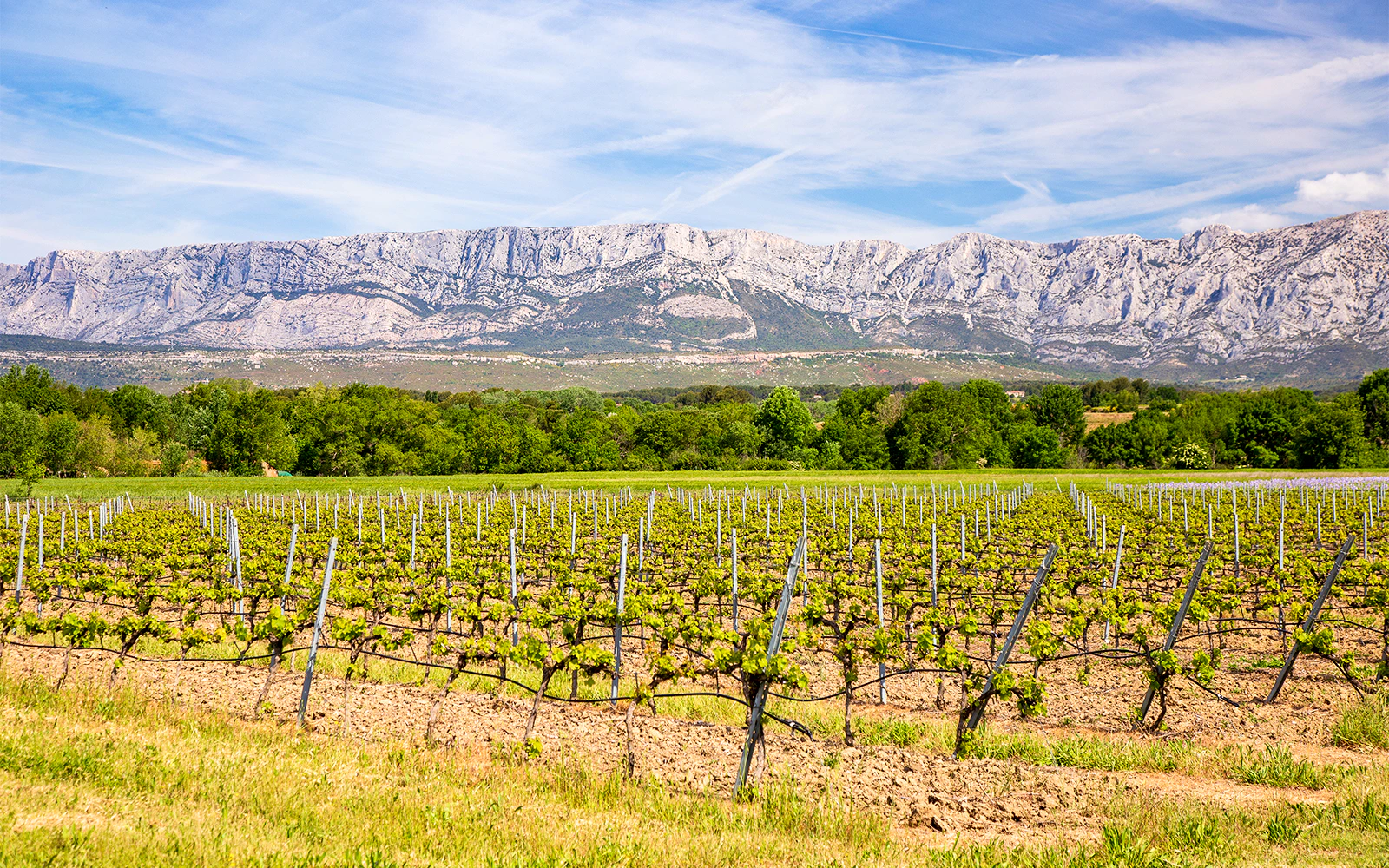
Half-day wine adventure through two authentic Provençal estates with tastings and Cézanne-inspired vistas
3 hours
Free Cancellation
Journey through Riviera hills in a classic 4x4 to taste six wines at an elegant historic estate
3 - 5.5 hours
Free Cancellation
Sample renowned Southern Rhône wines with a local guide across multiple vineyards near Avignon
1 hour
Free Cancellation
Discover exceptional wines through a personalized tasting journey led by a seasoned wine merchant
2 hours
Free Cancellation
Explore France's wine diversity through eight regional selections paired with artisan cheeses in an intimate setting
1.5 hours
Free Cancellation
Explore a scenic estate nestled between coast and peaks with an expert sommelier guiding your tasting
4 hours
Free Cancellation
Explore three boutique vineyards with exclusive tastings and stunning Mediterranean vistas
Check-in and overview of the estate history
Guided stroll through the grape vines
Observing the production facilities
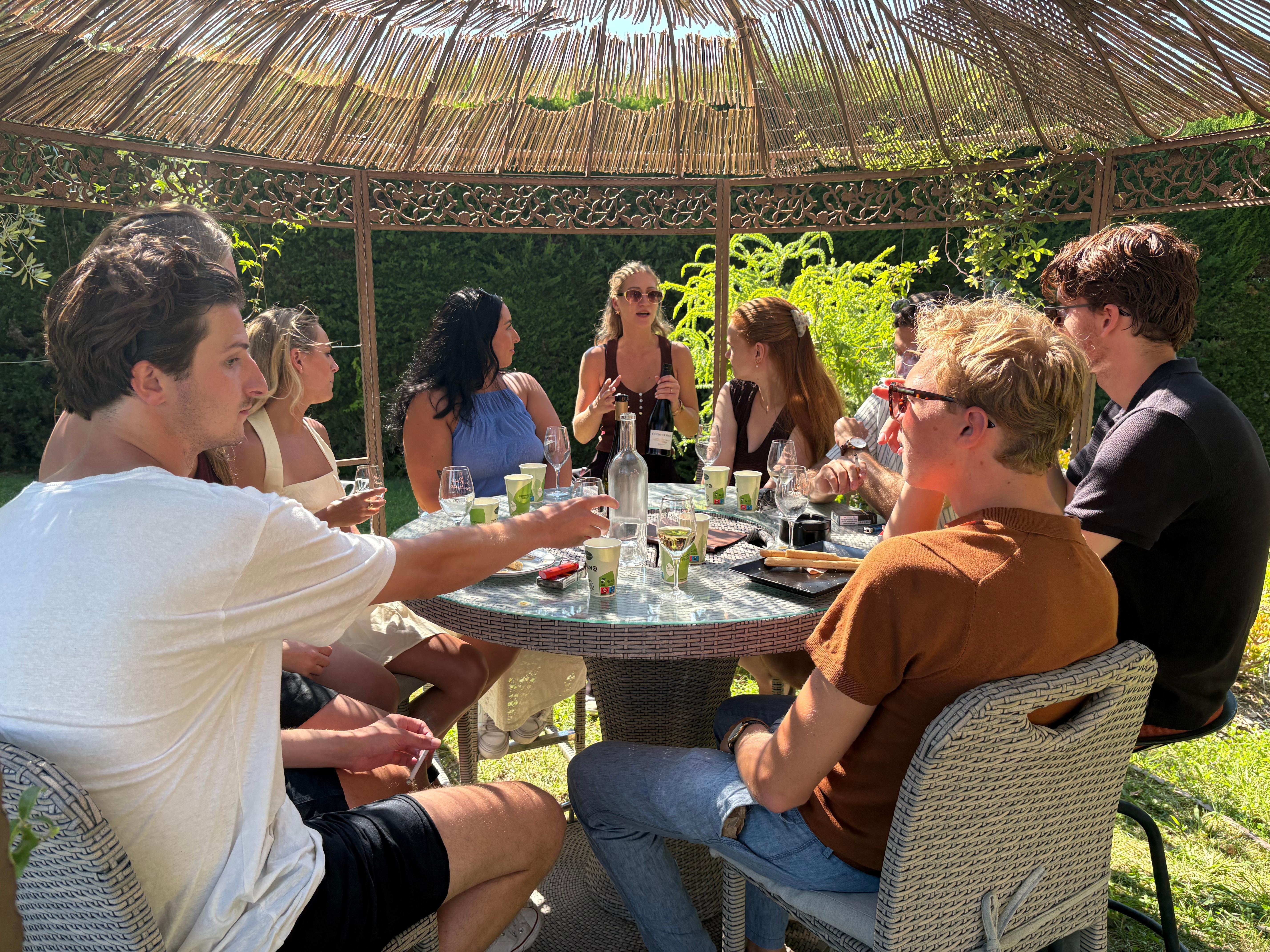
Guided sampling of regional labels
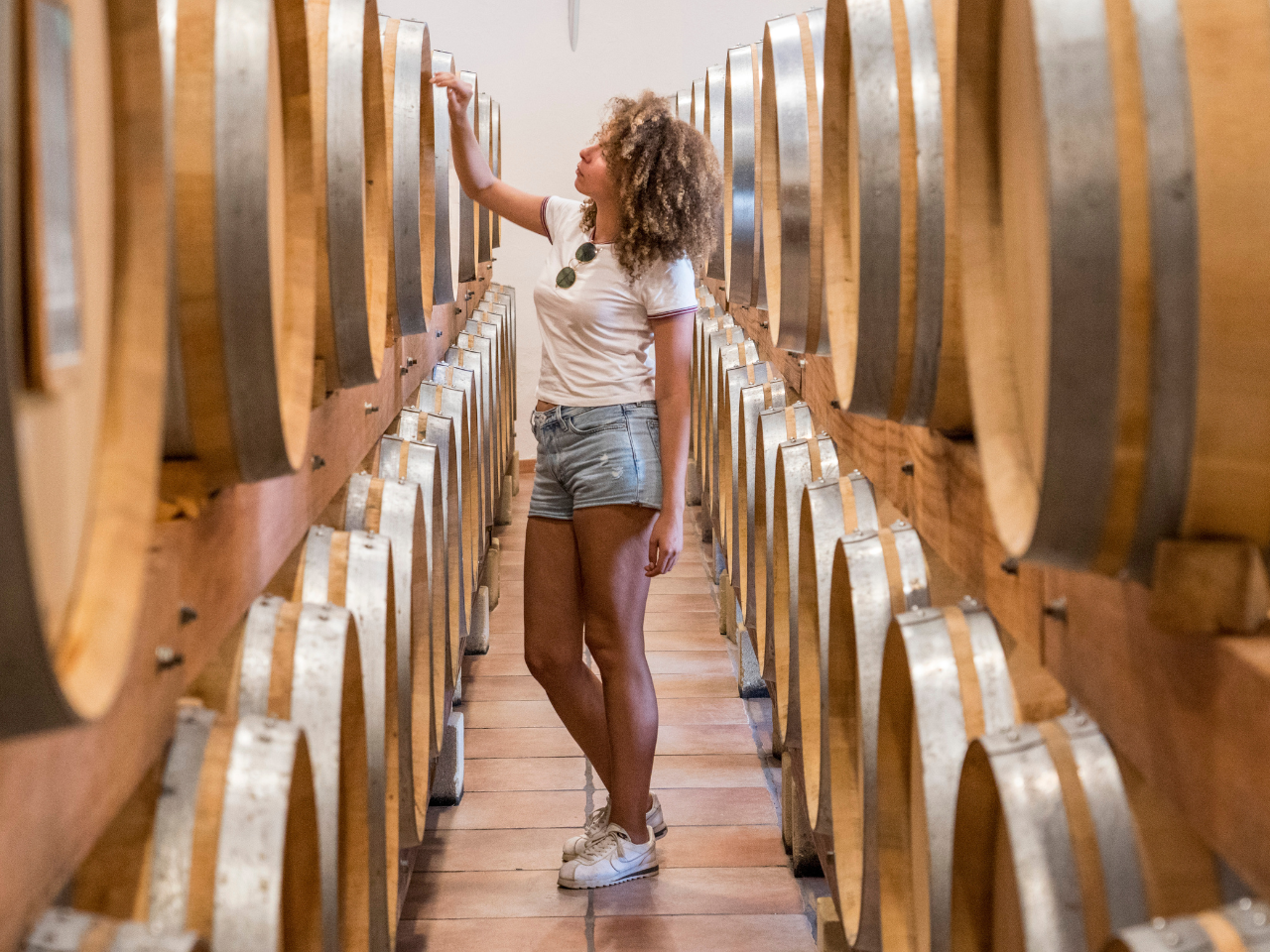
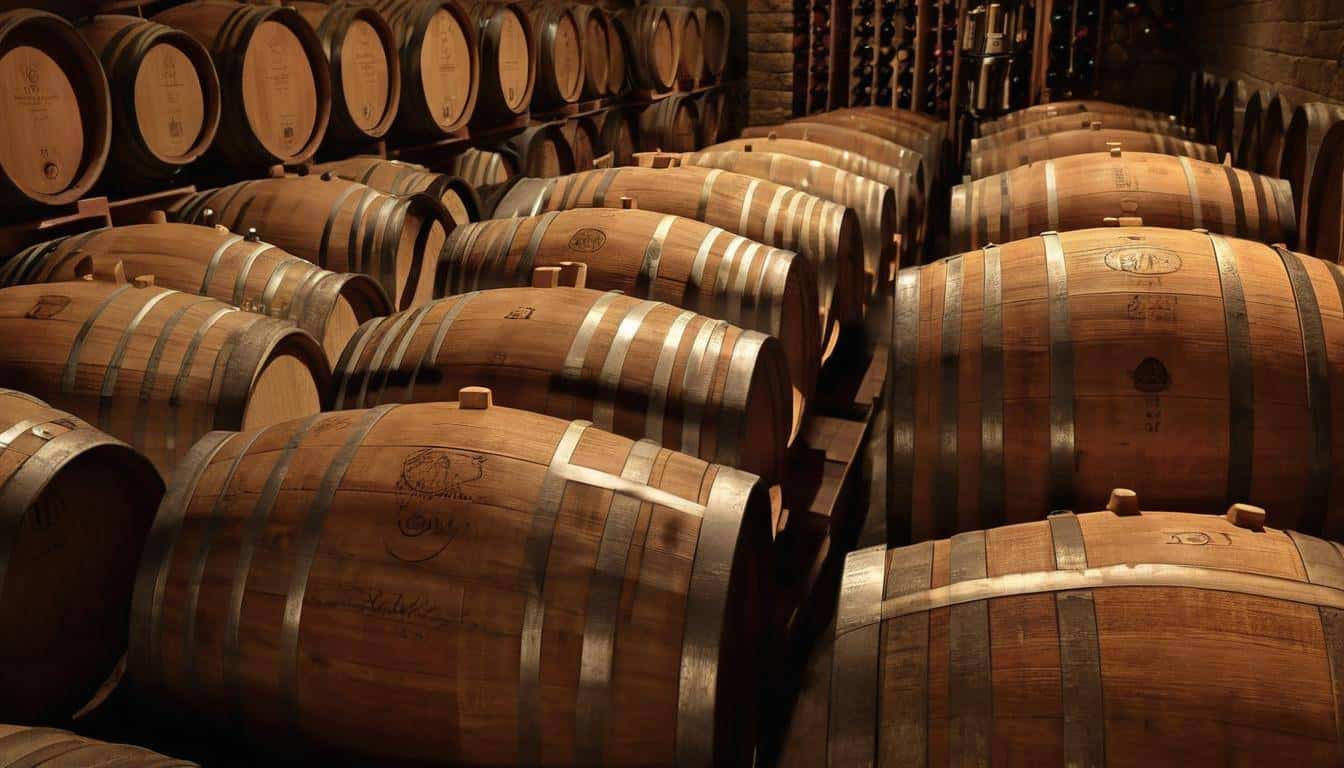
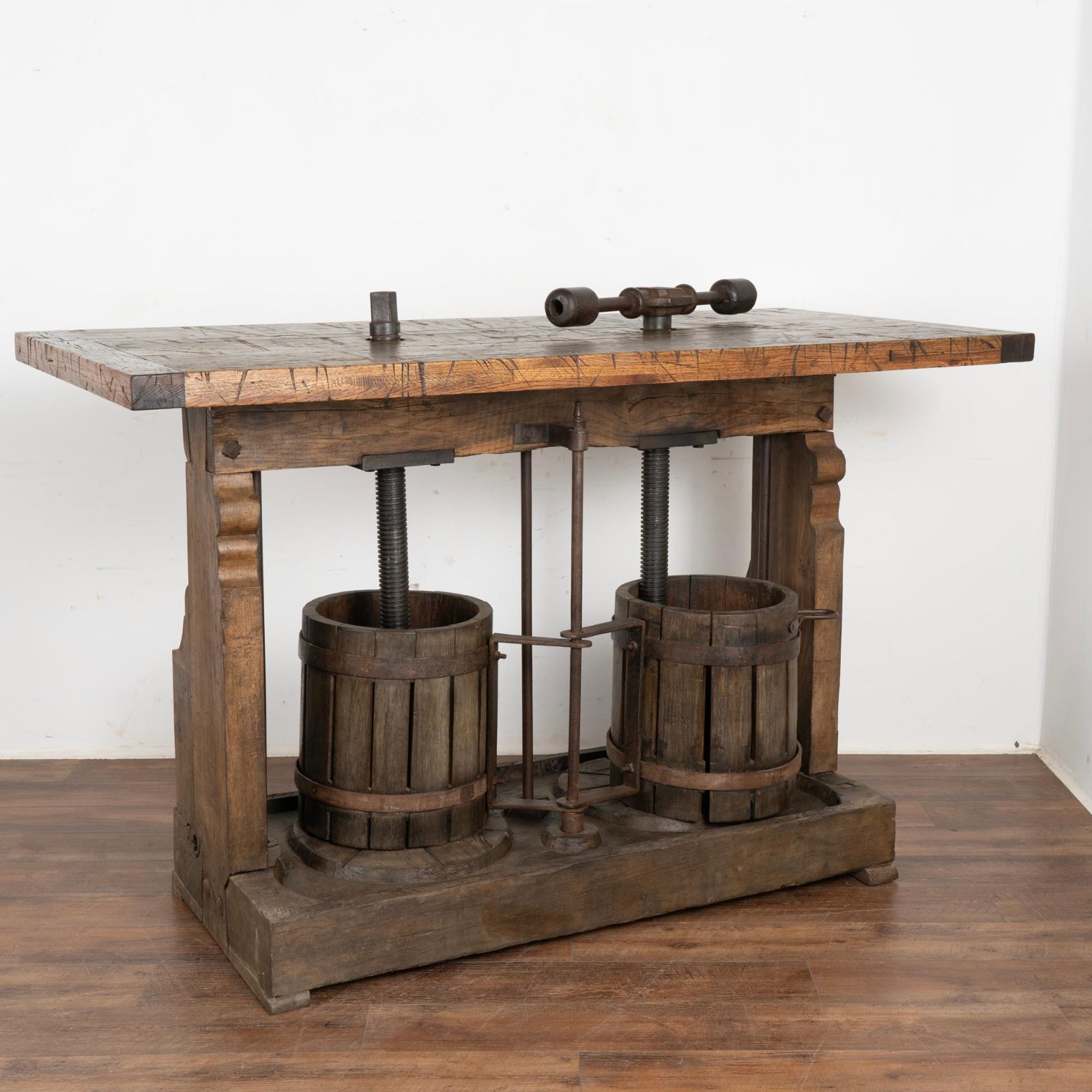
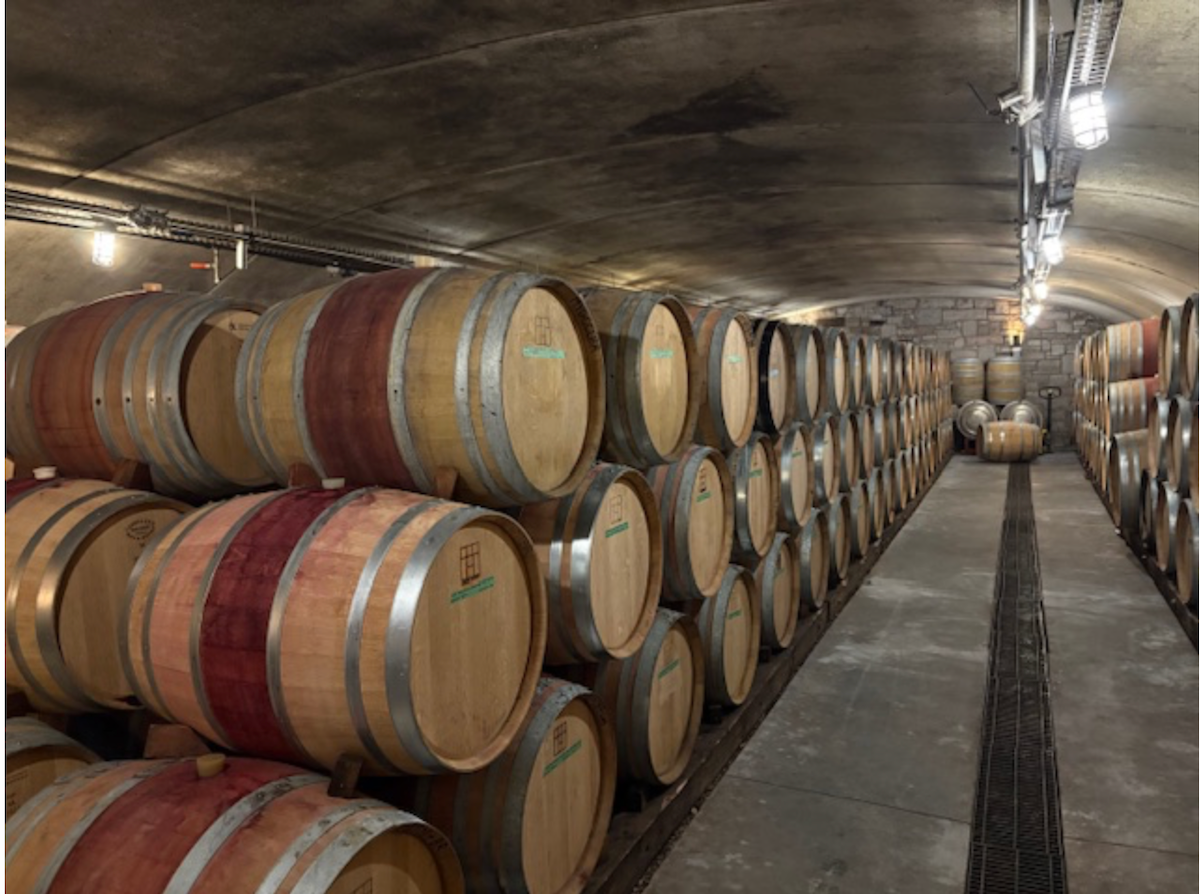
Massive oak barrels store vintage wines for years, showing the traditional craft.
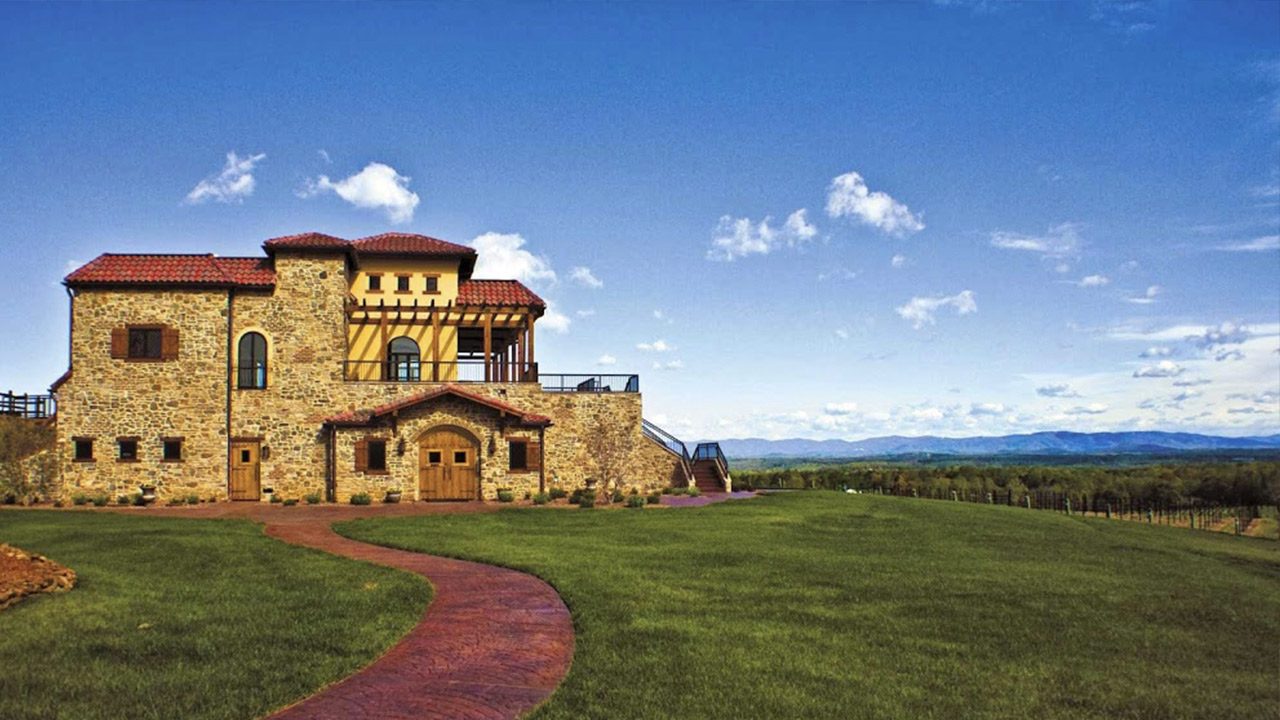
The terrace offers expansive views of the region and is a central spot for a provence wine tasting tour.
This stone building houses vintage equipment used since the 19th century.
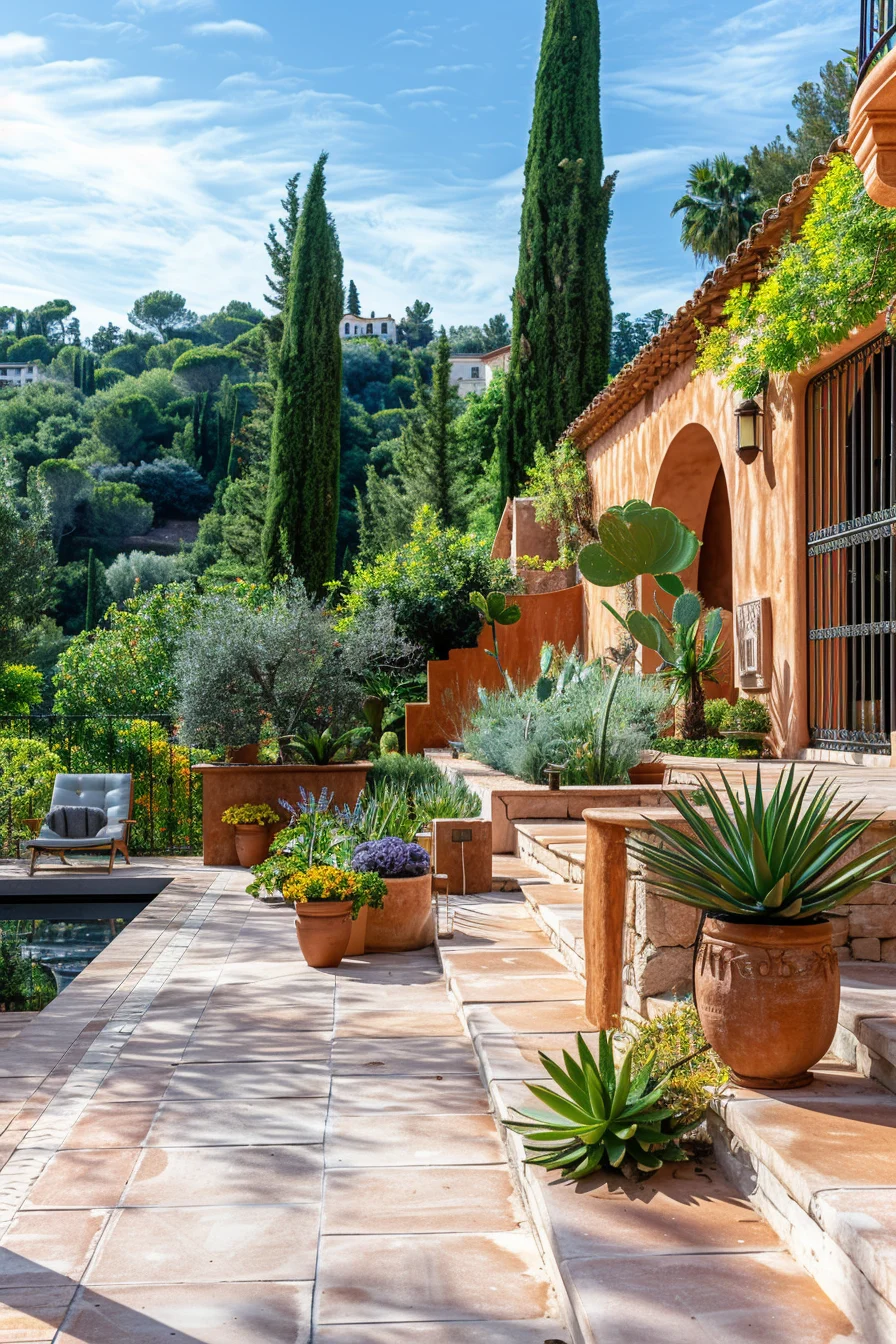
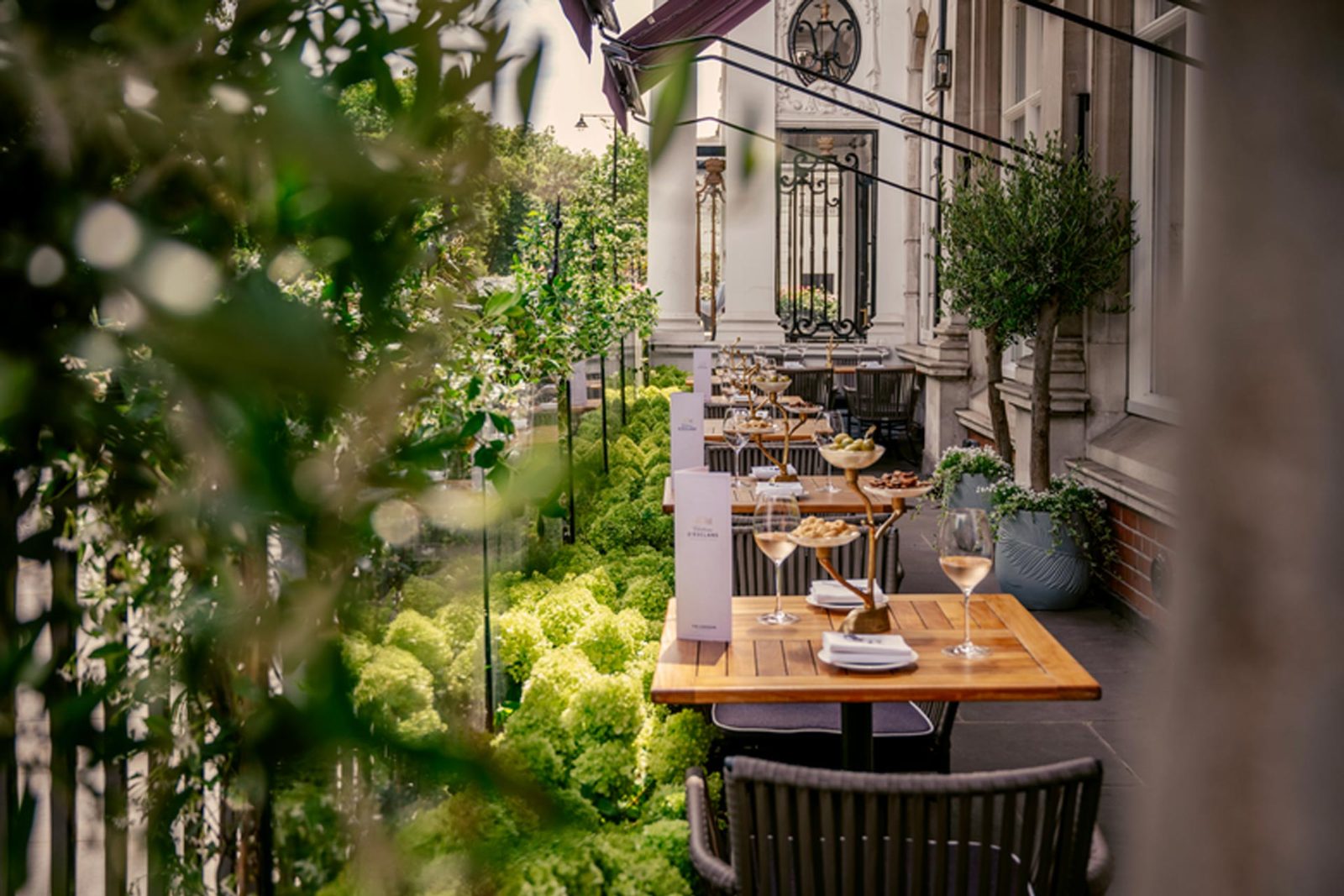
Lush Mediterranean plants provide a peaceful backdrop for a provence wine tasting tour.
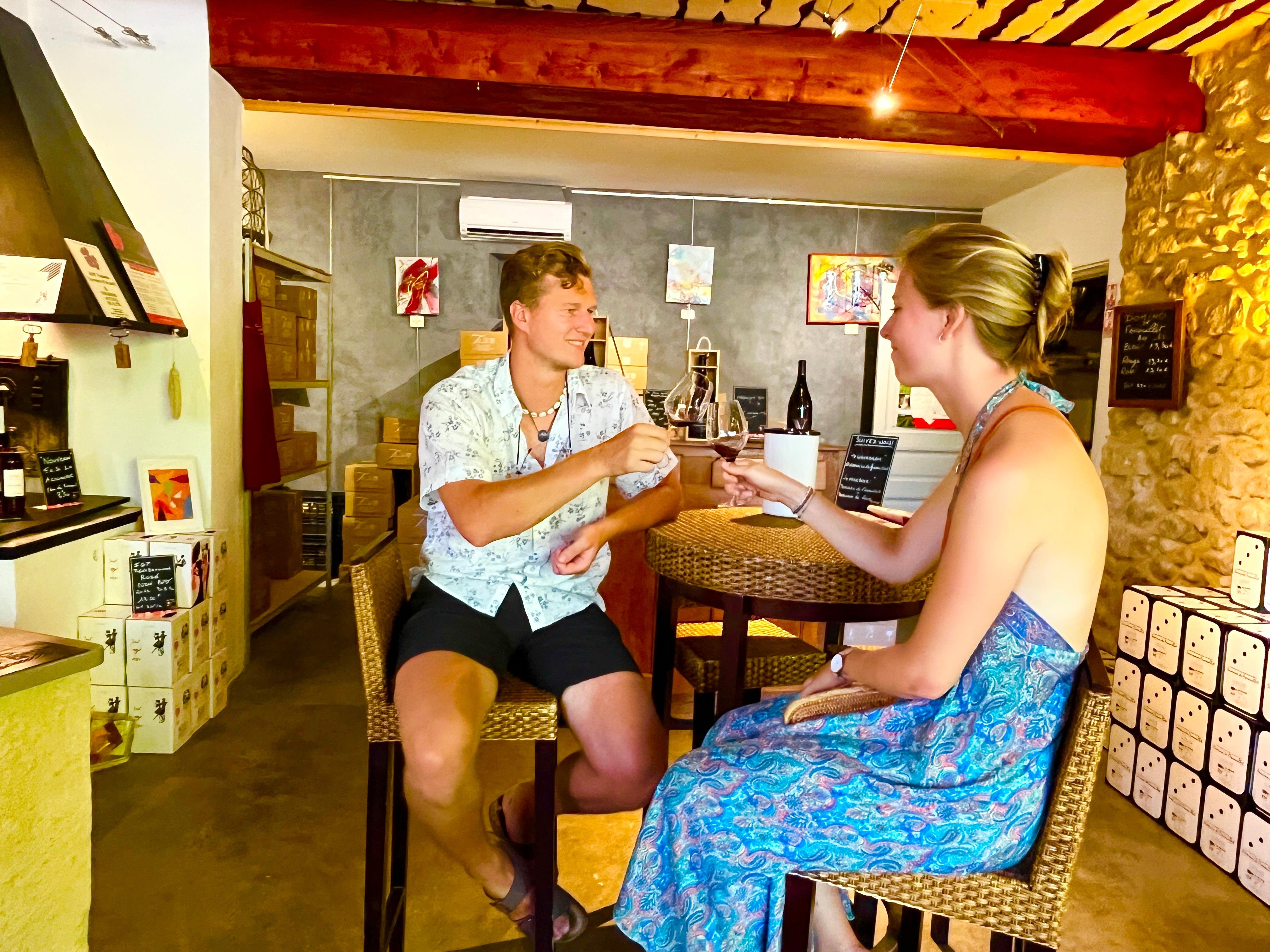
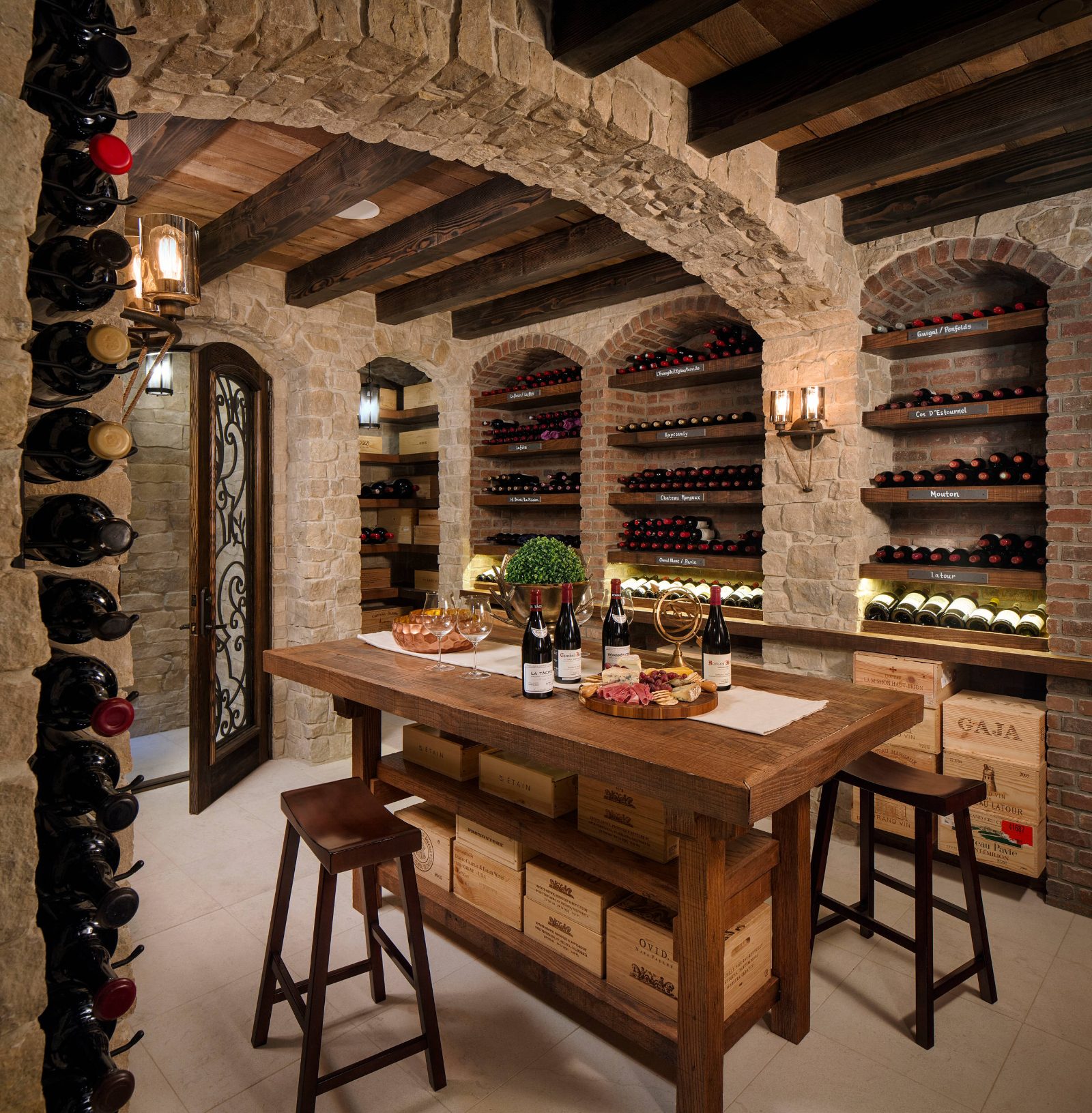
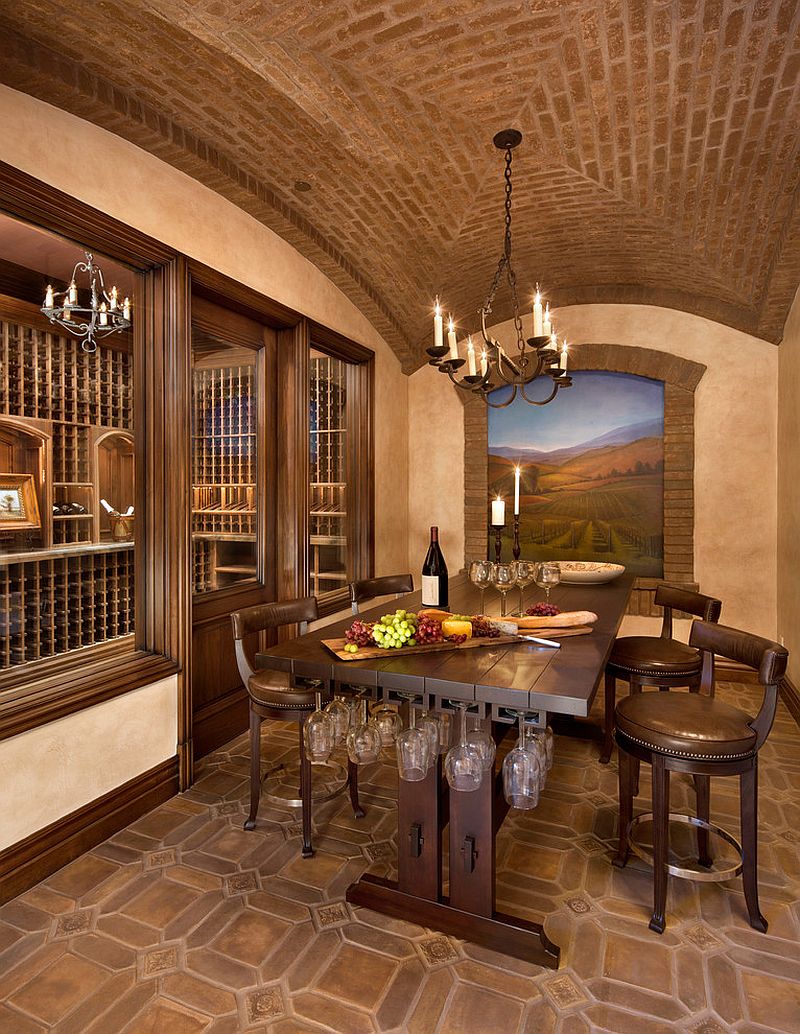
Sample current vintages directly from the source in this intimate space.
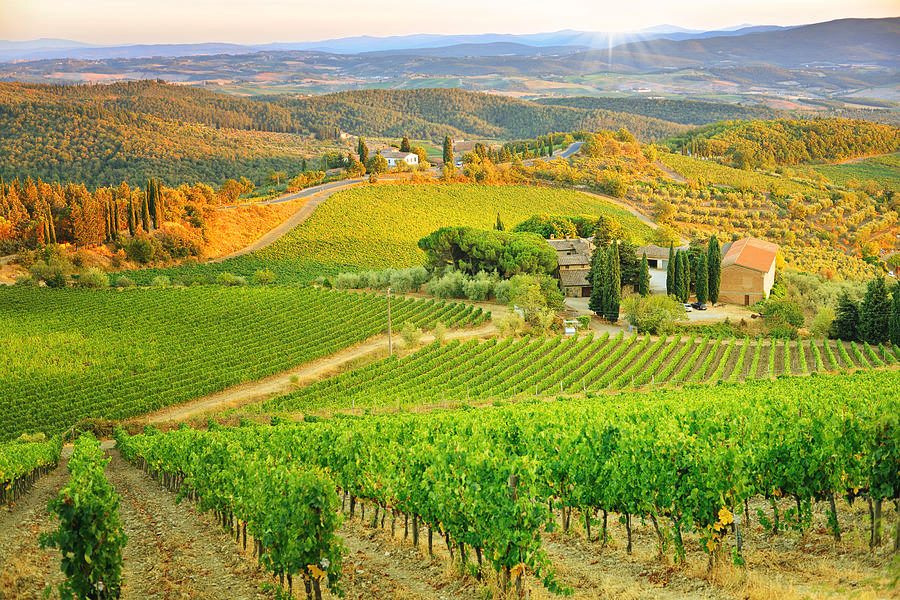
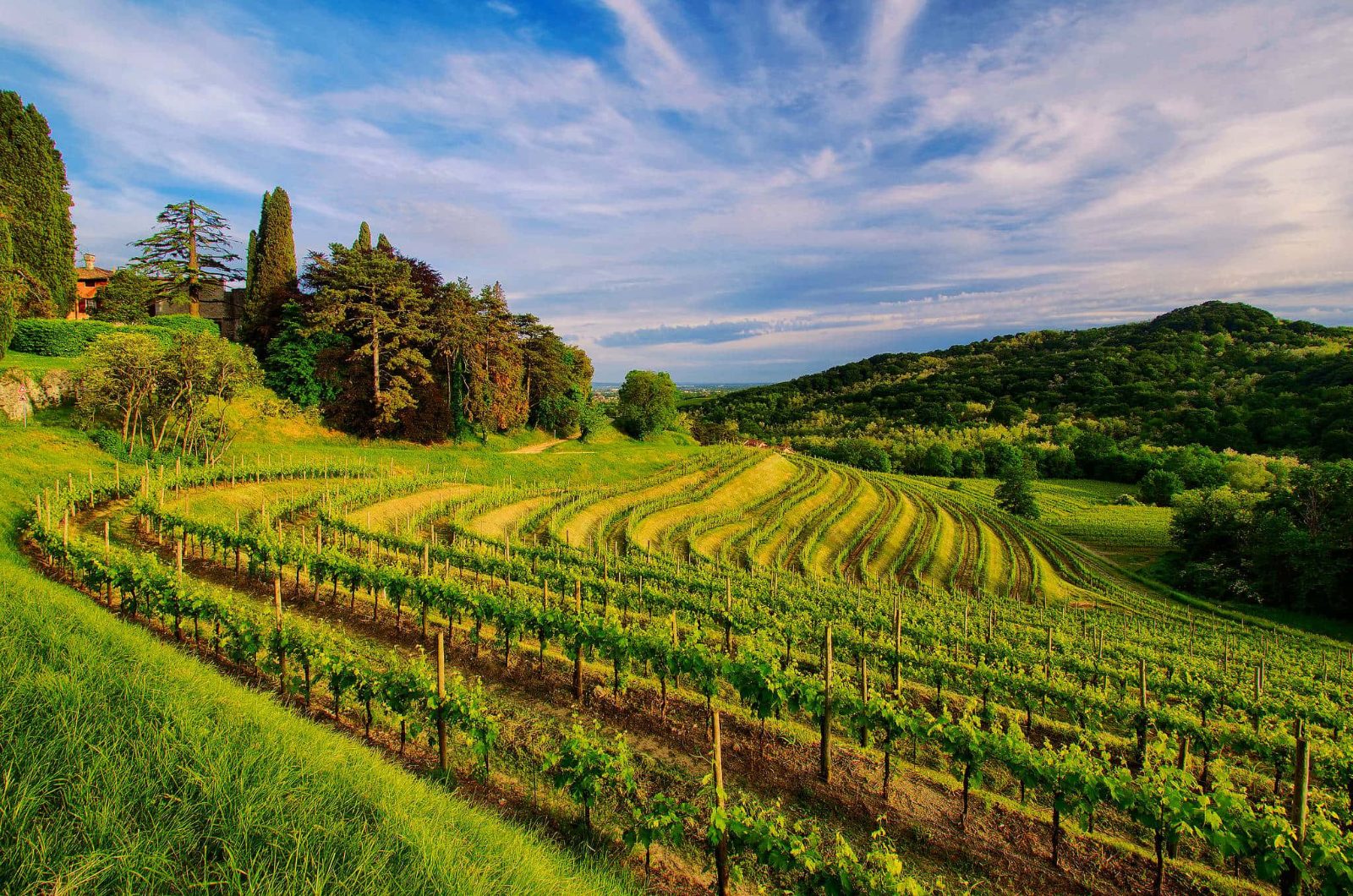
You leave Nice or Avignon by nine, the van climbing past olive groves into the Provençal interior where August heat has baked the soil white. The first estate appears after forty minutes — a stone mas with iron gates and gravel paths between trellised vines.
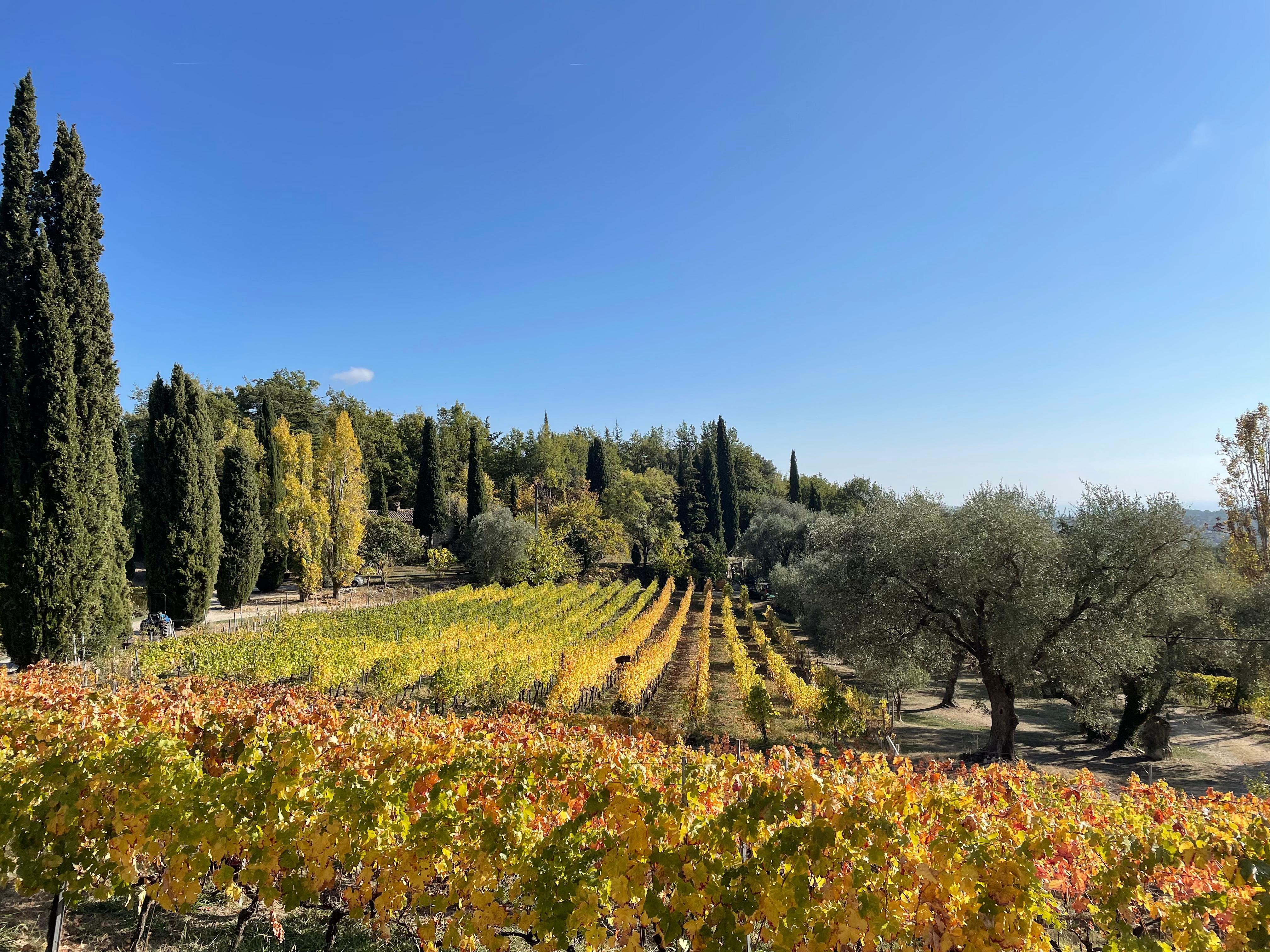
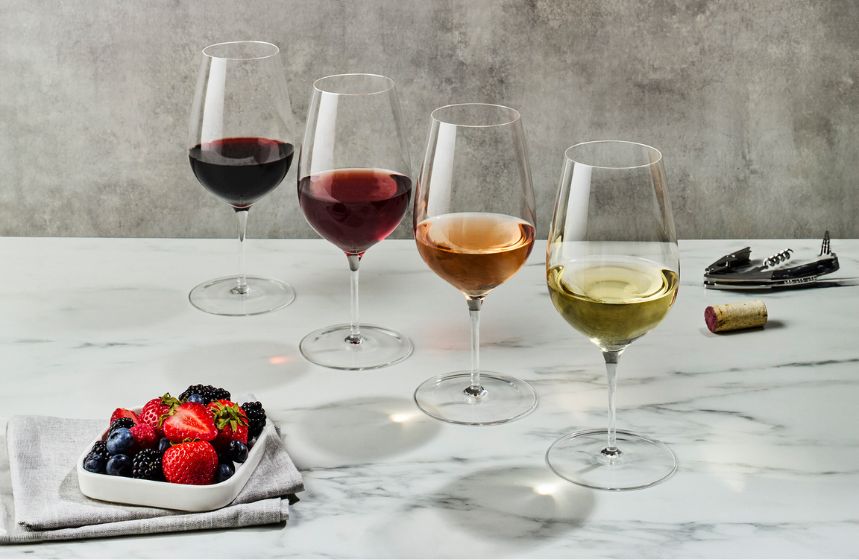
Your guide walks you through a parcelle of grenache, the clusters hanging low and heavy, their skins translucent in morning light. Inside the cellar, oak foudres line limestone walls carved in the eighteenth century. You taste three rosés side by side: a pale onion-skin pressé, a coral saignée, and a copper-edged blend aged sur lie. The winemaker explains the difference — pressé comes from immediate skin contact, saignée from juice bled off a red fermentation.
The second stop is Châteauneuf-du-Pape, where galets roulés crunch underfoot and the Rhône valley spreads southward in hazy layers. You descend into a vaulted cave for a vertical tasting of grenache-mourvèdre blends from 2020, 2018, and 2015. The oldest vintage has shed its fruit, leaving tobacco and garrigue. Lunch follows in a village square — ratatouille, chèvre, bread — then a final estate near Aix-en-Provence where you walk between century-old vines trained in gobelet formation. You taste a white Rolle and two reds before the return drive at five, your bag heavier with three bottles wrapped in paper.
All the details about your upcoming adventure in one place
Provence produces more rosé than any wine region on earth — eleven million cases each year, seventy-five percent of France's entire output.
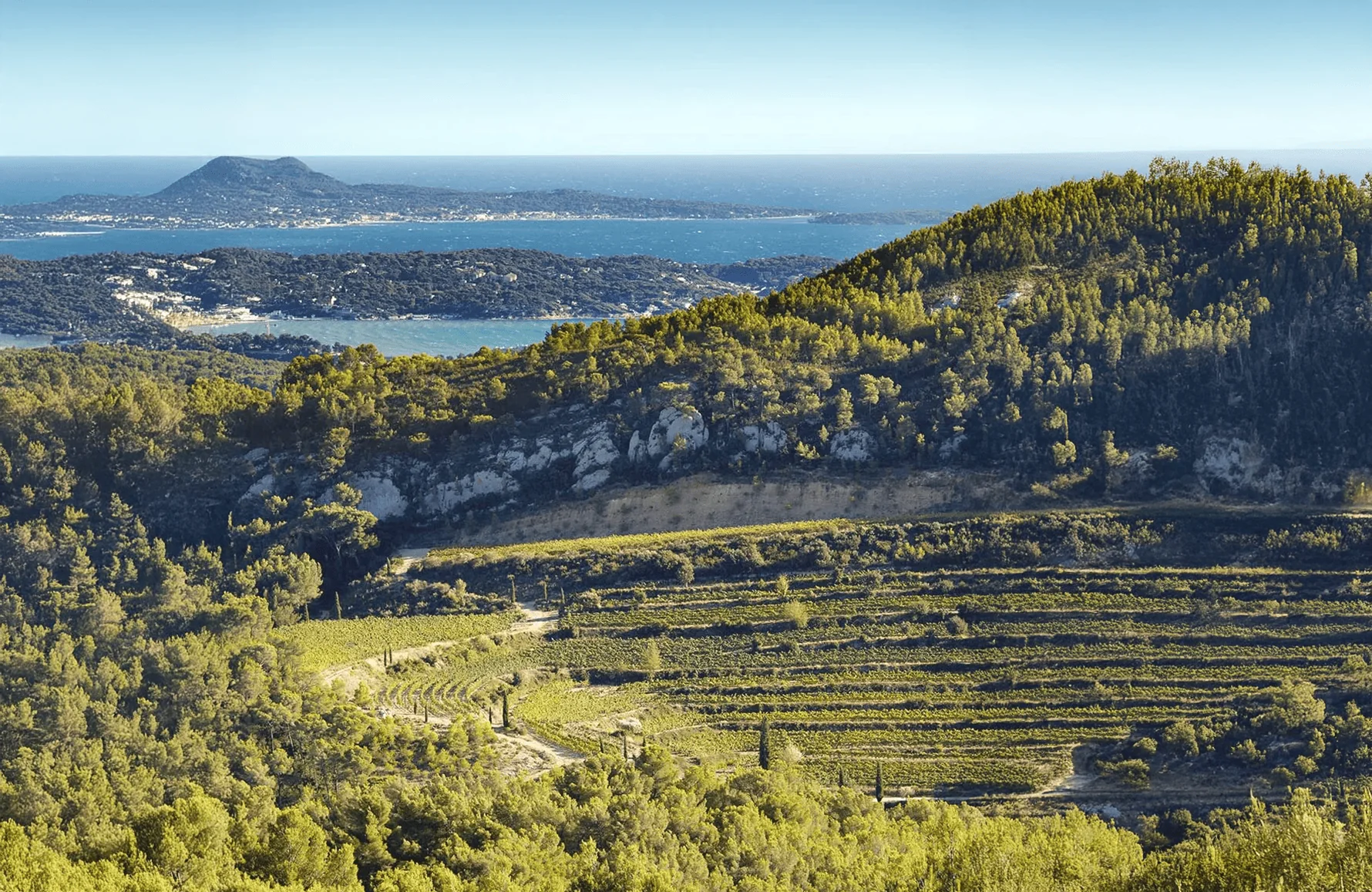
The tradition began not with sun-drenched leisure but with Phocaean Greeks planting vines near Marseille in 600 BCE, establishing what would become the oldest viticultural land in France. Roman legions expanded the vineyards inland, carving cellars into the limestone cliffs that still store barrels today. The Côtes de Provence appellation stretches across eighty-five communes between the Mediterranean and the Alps, its schist and clay soils yielding grenache, cinsault, and syrah grapes that define the pale, mineral-edged rosés now synonymous with the region.
Châteauneuf-du-Pape lies northwest in the Rhône corridor, its vineyards planted atop galets roulés — rounded quartzite stones deposited by Alpine glaciers during the last ice age. These heat-retaining cobbles create a second sun at ground level, ripening grenache and mourvèdre to fifteen percent alcohol without fortification. Thirteen grape varieties are permitted under appellation rules established in 1936, making Châteauneuf-du-Pape the first AOC in France and a blueprint for controlled-origin legislation across Europe. The papal palace ruins overlook eighty-five estates, many still family-operated and open for tastings in centuries-old stone cellars.
Côtes du Rhône covers a broader corridor from Vienne to Avignon, producing everyday drinking wines alongside the grand crus. Provence wine tasting tours typically visit three to five estates in a single day, moving from coastal rosé producers to Rhône reds as elevation and latitude shift. Tastings are free at most domaines, though guided vineyard walks and barrel-room access require advance booking. The region's cooperative caves offer vertical tastings of single parcels across multiple vintages, a practice rare in tourism-heavy wine regions. Harvests run from late August through October, with September pressing visible through cellar-door windows.
Transport between estates requires a vehicle — vineyards lie five to twenty kilometers apart along narrow departmental roads. Full-day Provence wine tasting tour options depart from Nice, Avignon, and Aix-en-Provence, covering seventy to one hundred kilometers with stops at three estates and a village lunch. Half-day itineraries focus on single appellations, typically the Côtes de Provence limestone slopes or the Châteauneuf-du-Pape plateau. English-speaking guides provide terroir context and arrange direct-purchase shipping for travelers unwilling to carry bottles.
Provence produces more rosé than any wine region on earth — eleven million cases each year, seventy-five percent of France's entire output.
Casual and comfortable clothing is recommended for walking through the vineyard rows. Sturdy shoes are advised as the terrain at Provence Vineyards can be uneven.
Large backpacks and bulky luggage are prohibited inside the tasting rooms. Guests should keep personal items secure during their provence wine tasting tour.
Photography is permitted in the vineyard areas and outdoor spaces. Please refrain from using flashes inside the private cellars during your provence wine tasting tour.
Children are welcome to accompany parents, but alcohol tasting is strictly for adults aged 18 and over. Strollers are difficult to maneuver on natural terrain.
Some vineyard paths may be difficult for wheelchairs due to gravel surfaces. Accessible routes are available at the main facility of Provence Vineyards for your provence wine tasting tour.
External food and beverages are not allowed during the tour. Light snacks are available for purchase at the estate during a provence wine tasting tour.
Opening Hours
09:00–18:00
Address
Provence-Alpes-Côte d'Azur, France
Entry Status
0 EUR
Arrival Recommendation
09:00–11:00
Storage
Not available
Region
Provence Vineyards
Car · N/A · N/A
Follow local signs in Provence-Alpes-Côte d'Azur for the fastest access.
Public transport · 30m · Variable
Regional bus lines stop near the main village center.
Cancellations made 48 hours in advance receive a full refund. Guided provence wine tasting tour tours charge a fee per person.
Recommended time
4-6 hours
A well-structured provence wine tasting tour typically spans four to six hours to allow for travel between vineyards and leisurely sipping. You may require additional time if your excursion includes a guided cellar visit or complex sensory workshops. Travelers often find that booking provence wine tasting tour tours in advance helps bypass peak congestion in the local viticulture estates, as afternoon crowds can grow significantly. When arranging your provence wine tasting tour tour, consider that many guests prefer shorter sessions to enjoy the surrounding landscapes or secure essential provence wine tasting tour tickets for popular afternoon sessions.
Crowd levels through the day
Weather · crowds · average price — dots go green to amber to red as each metric rises.
Mild temperatures and blossoming vines make for a pleasant provence wine tasting tour.
Expect warm conditions, best to visit early for the 09:00–11:00 arrival window.
Harvest season offers dynamic views and is a popular time for a provence wine tasting tour.
Quieter period, though vineyard tours may be limited by weather conditions.
Arrive during the 09:00–11:00 window to avoid heat and afternoon crowds.
Secure your provence wine tasting tour tickets online before visiting.
Carry water during your provence wine tasting tour as the region can be hot.
Stay on marked paths during your provence wine tasting tour to preserve the soil.
Engage with the vintner to learn about the specific terroir of the Provence Vineyards area.
Provence-Alpes-Côte d'Azur, France
Look for the wooden sign near the entrance
Get directionsProvence's wine heritage stretches to 600 BCE when Phocaean Greeks planted vines near Massalia, modern Marseille, making it France's oldest viticultural region. Roman legions expanded cultivation across the Rhône valley by the 1st century CE, establishing estates that survive as appellations today. Benedictine monks preserved techniques through the medieval period, cultivating terraced hillsides that define the landscape. The phylloxera epidemic devastated Provence vineyards between 1870 and 1890, destroying over 80 percent of rootstock. Growers replanted with American-resistant varieties grafted to French scions, a painstaking reconstruction that reshaped the region's grape composition. The 20th century brought near-collapse. Bulk rosé production dominated post-war decades, eroding quality and reputation. The 1977 establishment of Côtes de Provence AOC marked a turning point, imposing strict yield limits and varietal requirements. A handful of estates pioneered organic viticulture in the 1980s, rejecting industrial methods. The provence wine tasting tour emerged as organized tourism in the 1990s when renovated bastides began receiving visitors, offering structured cellar visits and comparative tastings. Domaine Ott pioneered the model in 1912 but public tastings remained rare until highway access improved in the 1970s. Today's provence wine tasting tour follows routes through Bandol, Cassis, and the Luberon, regions that gained separate AOC status between 1941 and 1988. Climate shifts have extended harvest dates by two weeks since 2000, altering sugar concentration and alcohol levels. Small producers now coexist with corporate estates, many owned by luxury conglomerates since 2010. The region produces 150 million bottles annually, 88 percent rosé, sold across 160 countries. Tasting rooms opened in restored 18th-century cellars now anchor rural economies, drawing 2.3 million visitors in 2025. Reservation systems replaced drop-in visits after 2020, formalizing an industry that once operated informally.
Phocaean Greeks plant the first vines near Massalia, introducing viticulture to Gaul
Roman estates expand across the Rhône valley, establishing vineyard sites still cultivated today
Phylloxera epidemic destroys 80 percent of Provence rootstock, forcing replanting with grafted American varieties
Domaine Ott becomes one of the first estates to welcome visitors for structured cellar tours
Côtes de Provence AOC established, imposing yield limits and quality standards that elevate regional reputation
Highway improvements and bastide renovations enable the modern provence wine tasting tour industry to emerge
Luxury conglomerates acquire major estates while small organic producers gain international recognition
Reservation systems replace walk-in visits, formalizing tasting-room operations across the region
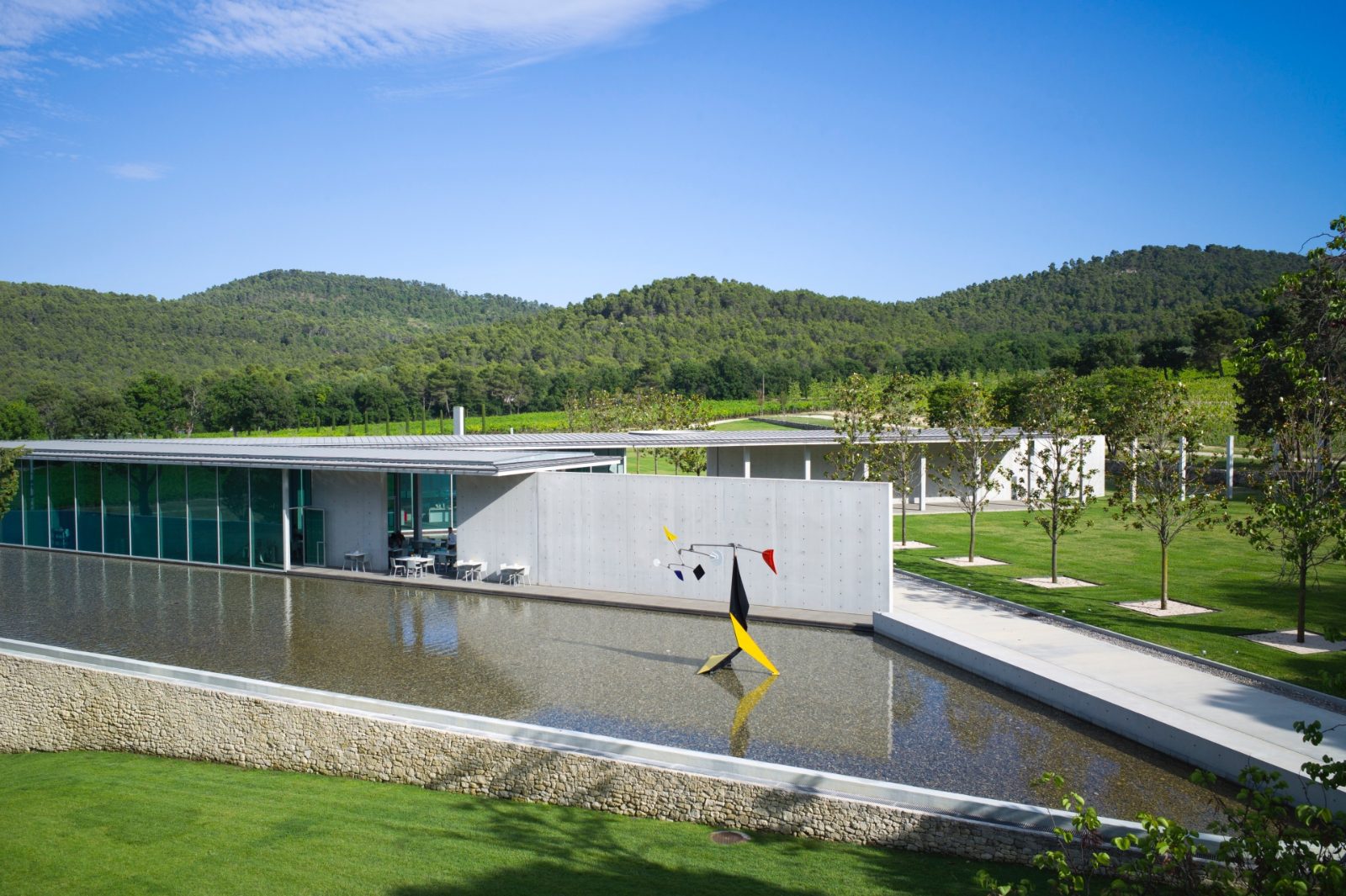
Stand on the wooden pathway near the Tadao Ando Art Centre to frame the contemporary sculptures against rolling grapevines. This provides a clean composition for a provence wine tasting tour photography session.
Position your camera at the edge of the stone terrace looking out over the expansive, meticulously maintained terroir. This viewpoint captures the classic Mediterranean aesthetic often featured in a *dégustation de vin* portfolio.
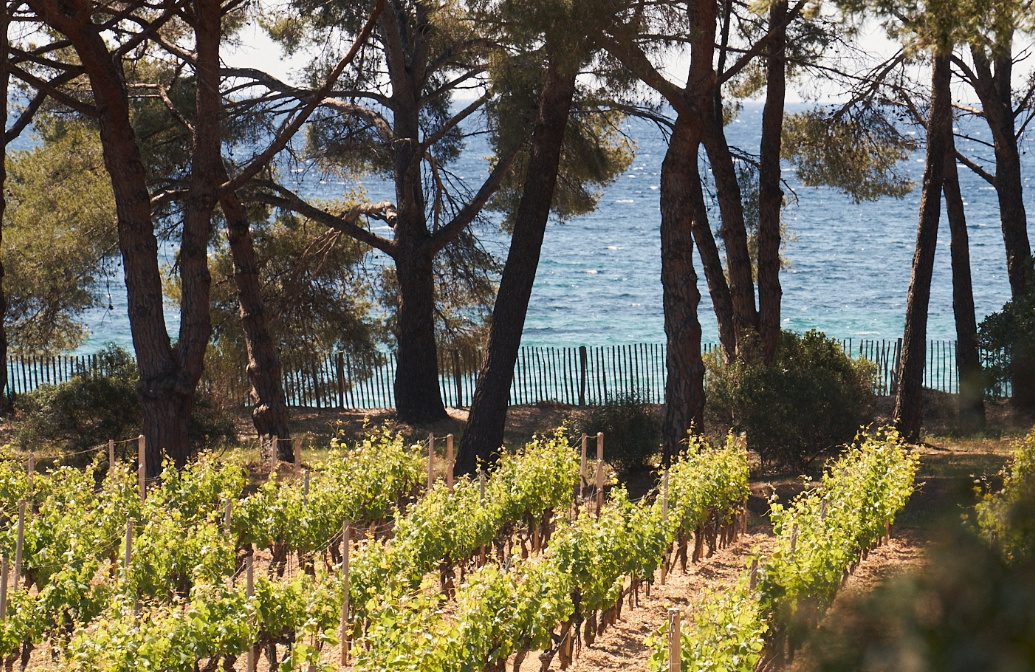
Capture the signature umbrella pines framing the backdrop of the vineyard rows sloping toward the sea. This location is ideal for those seeking a *visite de vignoble* with distinct coastal light.
Frame your shot from the upper ridge of this natural stone amphitheatre to encompass the entire basin of the estate. It serves as a prime vantage point for any traveler holding provence wine tasting tour tickets.
Exploring a provence wine tasting tour with children requires balancing adult interests with the needs of younger family members. While the region is celebrated for its sun-drenched terroir, the sprawling vineyard landscapes offer plenty of space for movement during your provence wine tasting tour tours.
Many vineyard paths consist of gravel or uneven soil, so a sturdy, all-terrain stroller is recommended over a lightweight model. For infants, a soft-structured carrier is often the most practical way to navigate cellar areas and narrow rows of grapes.
Children aged six and older typically manage the pacing of a provence wine tasting tour tour best, as they can engage with the agricultural surroundings. Teenagers often appreciate learning about the viticulture process, though younger children may find guided sessions less stimulating without pre-planned activities.
Baby-change facilities are inconsistent across rural wineries, so plan to use your own supplies in the car. Check your provence wine tasting tour tickets for details on specific estates, as many provide ample outdoor space for families to relax away from production equipment.
To maintain a comfortable schedule, aim for the best arrival window of 09:00–11:00 to complete your visit before the afternoon heat. Limit your itinerary to one or two vineyards to ensure a relaxed pace that avoids over-exhausting children.
Indoor tasting rooms provide shelter, but wet weather can make vineyard walks slippery and muddy. Keep a set of indoor activities handy to ensure the experience remains pleasant if you encounter autumn showers in the Provence-Alpes-Côte d'Azur, France region.
Finding a meal near your provence wine tasting tour is best planned by selecting estate-run bistros or heading into nearby villages. Many vineyards offer regional terroir-focused lunches, while local bakeries provide simple options for those seeking a casual experience during their provence wine tasting tour tours.
Located near the vineyards, this restaurant focuses on seasonal Provencal cuisine paired with local vintages. It is ideal for a leisurely lunch after securing your provence wine tasting tour tickets.
Everything you need to know for your journey
The attraction is open 09:00–18:00, Monday through Saturday. It is closed on Sundays.
Please contact us for more information.
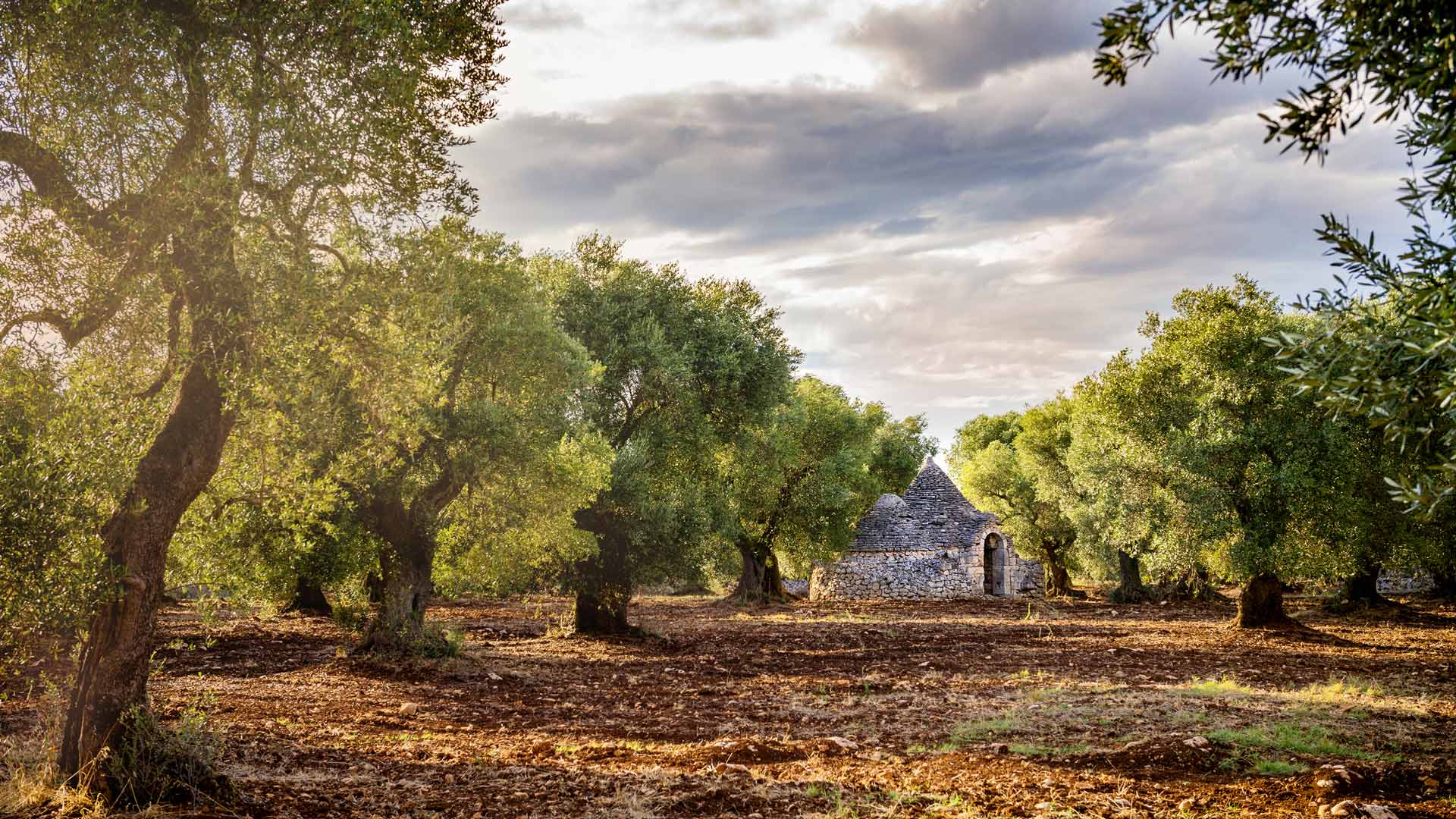
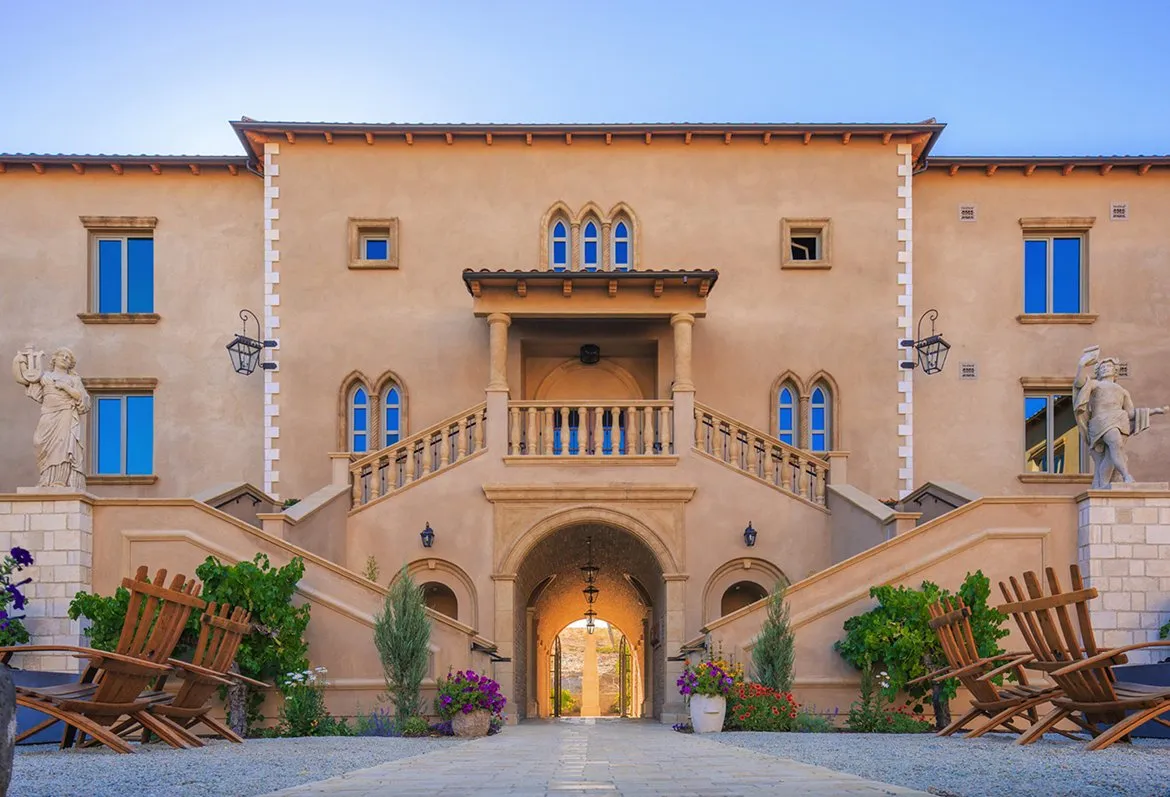
Historical estate featuring traditional architecture
Scenic seasonal bloom area near the vineyards
Heritage trees preserved for centuries
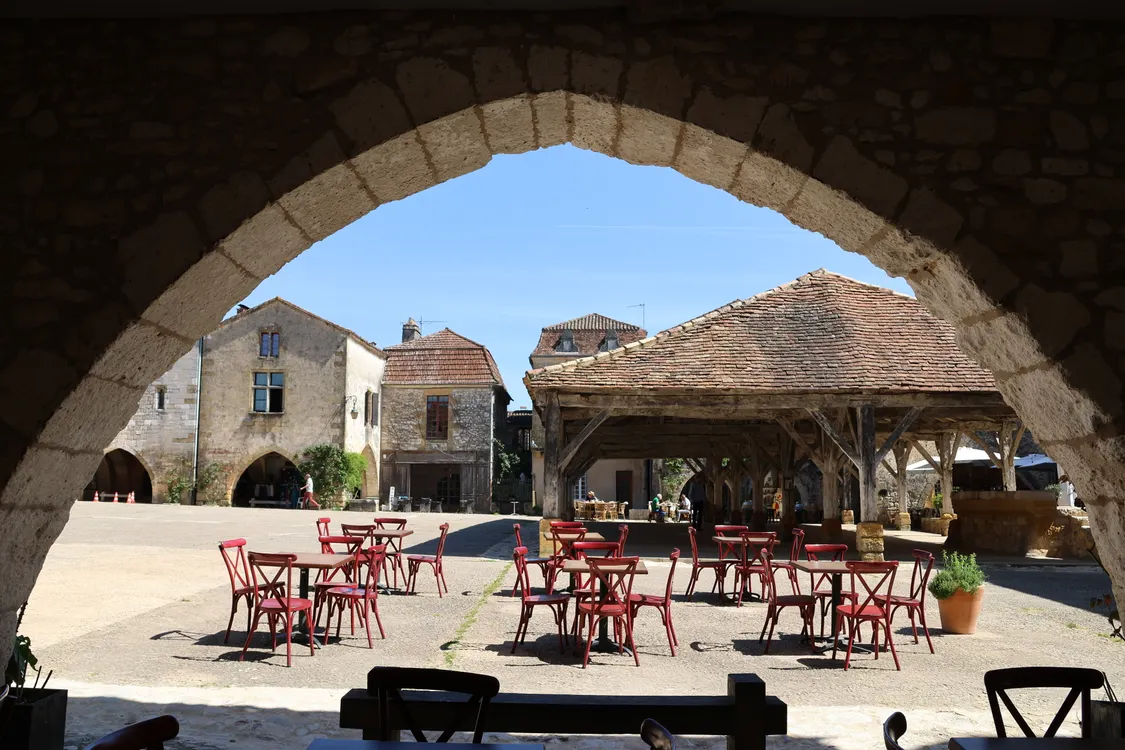
Traditional French village hub for local goods
High-end lodging overlooking the vines
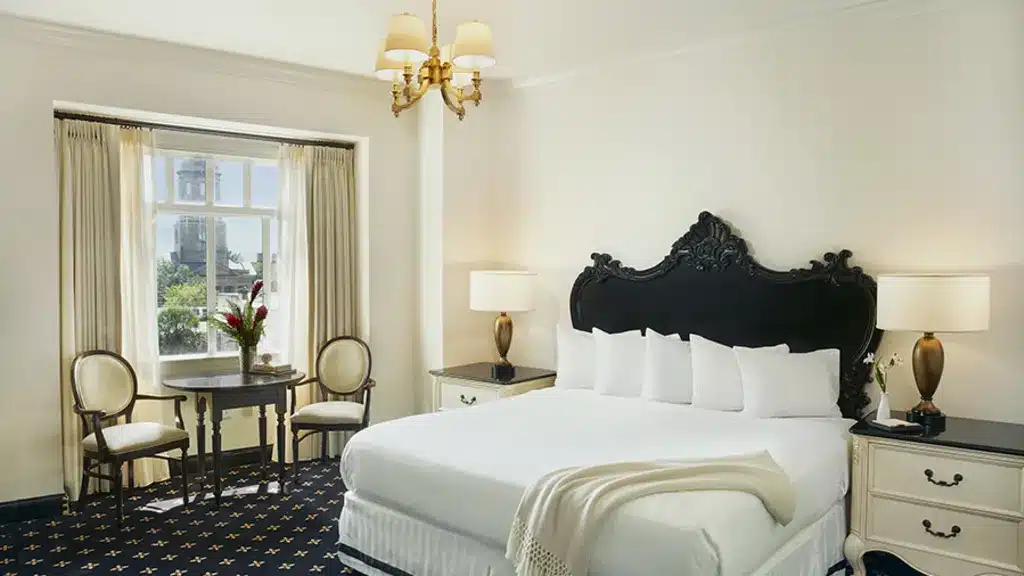
Comfortable guest rooms with local amenities
Simple accommodations for travelers
Join thousands of happy travelers who have discovered this incredible experience
Book Your Experience Now