
Quick answer
Recent provence wine tours reviews highlight small-group tastings in Luberon and Côtes de Provence as consistently high-rated, with visitors praising knowledgeable guides, unhurried cellar visits, and generous pours. Large bus tours receive mixed feedback—efficient logistics but superficial wine education. Independent travelers visiting estates directly report excellent value but note that many wineries require advance reservations, especially during harvest season from late August through October.
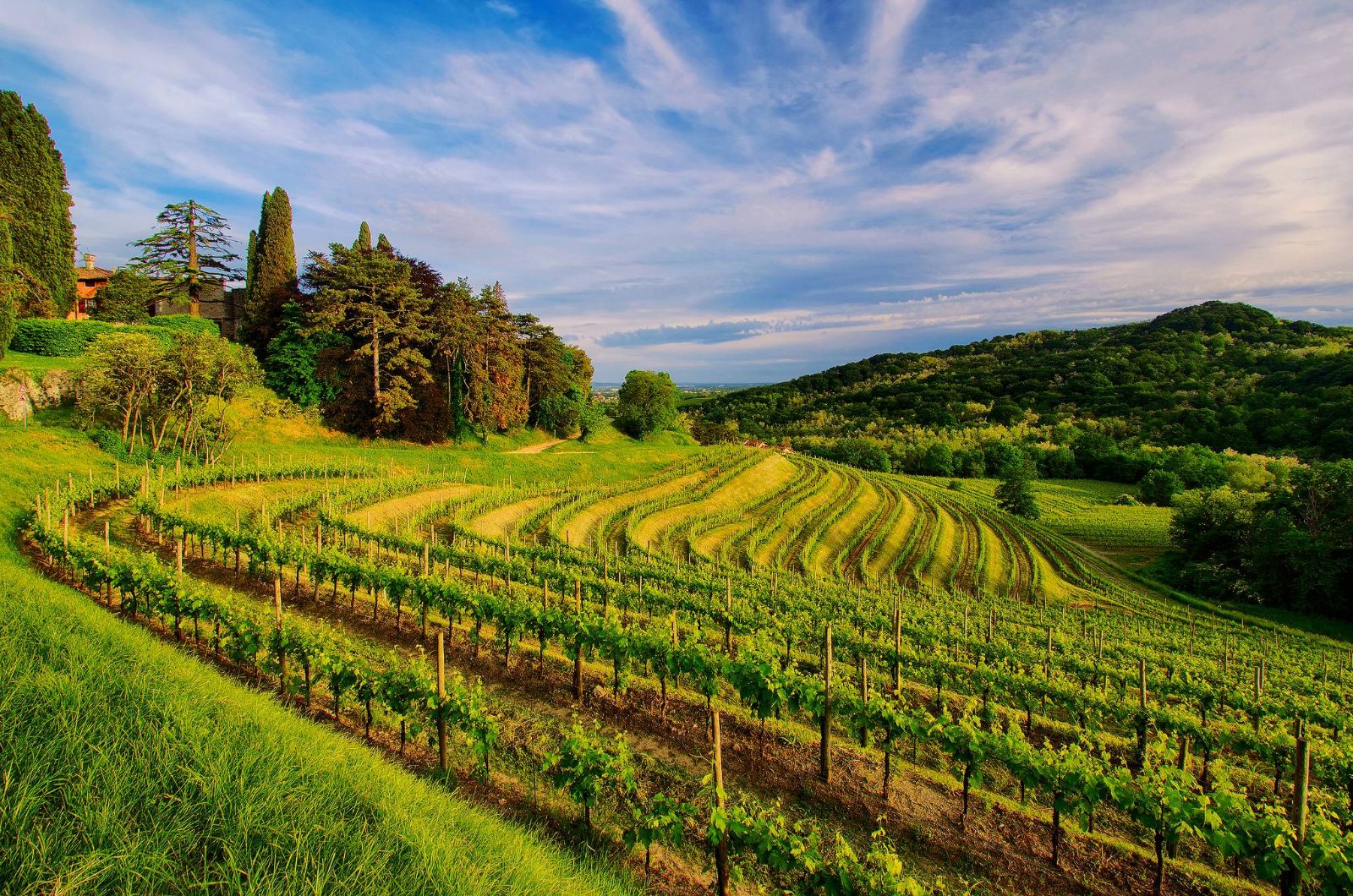
Provence produces more rosé than any other French region, yet many visitors leave disappointed by cookie-cutter tastings that prioritize volume over education. The distinction between a memorable day and a wasted afternoon often comes down to group size, guide expertise, and whether the winery treats tours as marketing or hospitality. Provence wine tours reviews from the past year reveal clear patterns. Small-group experiences—typically six to eight participants—earn the highest marks for personal attention and depth of knowledge. Visitors consistently praise tours that limit stops to two or three estates, allowing time to walk the vines, meet winemakers, and understand terroir differences between Bandol's rocky hillsides and the Ventoux plateau. Guides with sommelier credentials or viticulture backgrounds receive specific mention in positive feedback, particularly when they explain why Provence rosé tastes different from examples produced elsewhere. Negative reviews cluster around overcrowded minibuses, rushed tastings that feel transactional, and guides who recycle generic wine facts rather than discussing the specific estates being visited. Several recent reports flag tours that promise "exclusive access" but deliver standard trade tastings available to any walk-in visitor. The language barrier appears in reviews of tours marketed to English speakers but led by French-speaking guides with limited fluency, resulting in missed context and awkward silences. Timing shapes the experience significantly. Morning departures align with cellar work rhythms and cooler temperatures for outdoor vineyard walks. Afternoon tours, especially in July and August, contend with heat and estates winding down operations. Harvest season from September into October offers dramatic scenery and active winemaking but also reduces availability as producers prioritize grape processing over visitors. Reviewers note that weekday tours encounter fewer crowds at popular estates near Aix-en-Provence and Châteauneuf-du-Pape, while weekend slots fill quickly and command premium pricing. Independent visits to family estates in less-touristed appellations like Pierrevert and Cassis consistently earn praise for authenticity and value, though they require confident driving on narrow rural roads and comfort with conversational French.
“The best tours limit stops to two or three estates, allowing time to walk the vines and understand what makes each terroir distinct.”
When to Visit Provence for Wine Tours Reviews and Optimal Conditions
To experience Provence vineyards effectively, plan your visit for the early morning window of 09:00–10:00 to enjoy cooler temperatures and smaller crowds. Balancing the harvest season with milder shoulder months provides the most temperate conditions for touring.
Spring (April–May)
ModerateMild, 15°C to 22°C
Vines begin to bud and temperatures remain pleasant for walking through estates.
Summer (July–August)
HighHot, 25°C to 30°C+
This is the peak harvest preparation period with high sun intensity.
Autumn (September–October)
ModerateCooler, 18°C to 24°C
Vineyards are active during the harvest season with manageable tourist volumes.
Weekday Mornings
Low—
Arrive between 09:00–10:00 to avoid peak tourist crowds and benefit from cooler air.
Verdict: The optimal time for a vineyard visit is during the shoulder months of April, May, or October, specifically arriving between 09:00–10:00 on weekdays.
Operating Hours for Provence Wine Tours Reviews
The vineyards in Provence are open daily to accommodate visitors planning their wine tours. The operating hours remain consistent throughout the week.
| Monday | 09:00–19:30 | |
|---|---|---|
| Tuesday | 09:00–19:30 | |
| Wednesday | 09:00–19:30 | |
| Thursday | 09:00–19:30 | |
| Friday | 09:00–19:30 | |
| Saturday | 09:00–19:30 | |
| Sunday | 09:00–19:30 |
Understanding Costs for Provence Wine Tours Reviews
Admission to the Provence wine region is free of charge for all visitors. Individual vineyards and wineries determine their own specific fees for tastings and private tours.
A typical visitor pays 0 EUR for regional entry, with total costs depending on the specific wineries chosen for tastings.
How to Reach Locations for Provence Wine Tours Reviews
Provence is located in southeastern France, with most vineyards best accessed via regional transport hubs or private vehicle. The most flexible approach for visiting multiple estates is by car, though rail services connect major towns such as Avignon and Aix-en-Provence.
TGV to Avignon TGV station
ZOU! regional bus network
A7 or A8 autoroutes
Local licensed taxi service
Expert Tips for Provence Wine Tours Reviews and Planning
Navigating wine tours in Provence requires balancing detailed research with practical etiquette to ensure a productive experience.
Verify appointment requirements
Many prestigious estates require advance booking for private tours, so check official websites or contact the property directly before arriving. Smaller vineyards often host guests by appointment only, even if they appear open on maps.
Prioritize regional appellations
Narrow your focus to specific appellations like Bandol or Côtes de Provence to understand the unique soil and climate profiles of each sub-region. This approach prevents overwhelming your palate and allows for deeper engagement with winemakers.
Adopt tasting room etiquette
Avoid wearing perfumes or colognes, as these scents interfere with the delicate aromas of the wines being evaluated. Always ask before taking photographs of production areas or private cellar spaces.
Analyze review consistency
Look for recurring feedback regarding the host's knowledge of viticulture rather than general commentary on the atmosphere. High-quality tours typically include detailed explanations of the terroir and traditional Provençal winemaking techniques.
Utilize local tourism bureaus
Regional tourism offices often maintain updated lists of estates that offer educational tours in English. These resources provide a neutral starting point for vetting operators before committing to a reservation.
Check availability
Frequently Asked Questions About Provence Wine Tours Reviews
Everything you need to know about provence wine tours reviews